Understanding olive oil acidity is essential when choosing a quality bottle, yet it remains one of the most frequently cited and misunderstood aspects of extra virgin olive oil. Many people mistakenly assume that an “acidic” oil tastes sour, sharp or harsh, or that “degrees” on a label indicate flavour strength. Neither assumption is correct. In this guide, we explain what olive oil acidity actually measures, the legal thresholds for each category, why acidity rarely appears on bottles today, and which indicators truly reveal whether an extra virgin olive oil is genuinely good.
Contents
What is olive oil acidity
In chemical terms, olive oil acidity measures the proportion of free fatty acids present in the oil, expressed as a percentage of oleic acid. When an oil displays an acidity level of 0.2%, it means that there are 0.2 grams of free fatty acids per 100 grams of olive oil. Rather than describing sensory tartness, this value is a strictly laboratory-measured chemical indicator of the molecular structure of the fat.
Where do these free fatty acids come from? Inside a healthy, unblemished olive, fatty acids remain securely bound together into triglycerides, which constitute the natural fat of the fruit. However, when the olive fruit is bruised, punctured by pests, begins to ferment, or sits around waiting too long before milling, cellular enzymes break apart those triglycerides and release free fatty acids. The rougher the handling of the fruit, the higher the resulting olive oil acidity.
For this reason, the acidity level serves as an exceptional indicator of the health of the raw fruit and the speed with which it was processed. A low olive oil acidity confirms that the olives were sound, picked at their optimal ripening point, and rushed to the mill within hours of harvesting. Conversely, a high acidity level reveals degraded fruit, olives gathered from the ground, or batches left sitting in storage yards for days.
Crucially, olive oil acidity can only be measured in a qualified laboratory through chemical titration. It cannot be detected by smelling or tasting the liquid, as free fatty acids are completely odourless and tasteless on the human palate. However, batches with an elevated acidity level frequently suffer from sensory defects that you can indeed detect, because damaged olives bring unpleasant flavours along with chemical deterioration.
Legal limits for olive oil acidity by category
European regulations, established in Delegated Regulation (EU) 2022/2104, define the maximum olive oil acidity permitted for each commercial category of olive oil on the market:
| Category | Maximum acidity | What it means |
|---|---|---|
| Extra virgin olive oil | 0.8% | Highest quality, zero sensory defects in panel tasting, and presence of fruitiness. |
| Virgin olive oil | 2.0% | Good quality, but slight sensory defects are permitted during panel tasting. |
| Lampante olive oil | More than 2.0% | Unfit for direct human consumption; must be chemically refined before use. |
| Olive oil (refined and virgin) | 1.0% | A blend of industrially refined olive oil with virgin or extra virgin olive oil. |
| Olive pomace oil | 1.0% | Obtained from the solid pomace using chemical solvents, then refined and blended. |
High-quality extra virgin olive oils routinely achieve an olive oil acidity far below the statutory ceiling: it is common to find pristine bottles recording a reading of 0.1% or 0.2%. Even so, a favourable acidity level is merely an entry requirement. An oil might easily display an acidity level of 0.1% yet fail to qualify as extra virgin if an accredited tasting panel detects even a minor sensory defect.
Olive oil categories explained
The statutory thresholds for olive oil acidity help clarify the various grades you encounter on supermarket shelves and specialist shops. Although every bottle bears the words “olive oil”, they are fundamentally different products with distinct standards of production:
Extra virgin olive oil
Extra virgin olive oil is pure, unadulterated fruit juice extracted solely by mechanical methods without chemical refining. It must possess an olive oil acidity of 0.8% or lower, exhibit zero defects during an official panel tasting, and display perceptible fruitiness. It is the only category that keeps the original aromas, fresh fruity flavours, and natural olive compounds completely intact.
Virgin olive oil
Virgin olive oil is likewise unrefined olive juice extracted purely by mechanical processes, but it allows a maximum acidity level of up to 2.0% and tolerates slight sensory defects during panel testing. You will rarely encounter this intermediate grade in British shops, as producers often blend it or send it for industrial processing.
Olive oil
Labelled simply as “olive oil”, this standard commercial product is a blend of industrially refined oil and virgin or extra virgin olive oil. Industrial refining strips away offensive defects, but it also destroys characteristic aromas and the majority of polyphenols. Its legal olive oil acidity is capped at 1.0%, but that figure tells you nothing about culinary character or flavour.
Olive pomace oil
Olive pomace oil is produced from the solid residue or pomace left behind after the initial pressing, using chemical solvents before undergoing extensive industrial refining. It is blended with a dash of virgin oil to introduce a pale trace of colour and flavour, and it is primarily used in commercial catering and hospitality for deep frying.
How an olive mill achieves low acidity
Achieving exceptionally low olive oil acidity is never an accident of nature. Rather, it represents the hard-earned outcome of meticulous decisions made across the olive grove and within the olive mill throughout the harvest:
- Harvesting directly from the tree. Fruit that falls to the ground gets bruised, soiled, and rapidly ferments. Quality-focused olive mills harvest exclusively from the canopy and process ground fruit entirely separately.
- Picking at peak condition. Sound olives picked at their ideal stage of ripeness yield oils with a minimal acidity level and wonderful aromatic vitality.
- Rapid milling. The gold standard is milling olives on the very day of harvesting. Every hour fruit languishes in reception hoppers allows enzymes to break down triglycerides and multiply free fatty acids.
- Controlled temperatures. Cold malaxation kept strictly below 27 °C safeguards delicate aromatic volatiles while preventing unwanted thermal breakdowns.
- Impeccable cellar storage. Clean stainless steel tanks, sheltered from light at constant cool temperatures, often topped with inert nitrogen gas to displace ambient oxygen and stop oxidation.
All of these rigorous agricultural and milling practices substantially increase production costs, but the rewarding difference is immediately obvious in the finished bottle: pristine oils that remain clean, intensely aromatic, and remarkably stable for many months on your dining table.
How acidity is measured in the laboratory
The laboratory analysis used to determine olive oil acidity is an established chemical titration. A carefully weighed sample of olive oil is dissolved in an equal mixture of alcohol and ether, then titrated with a standardised potassium hydroxide solution using a specialist chemical indicator that shifts colour at the neutralisation point. The exact volume of reagent consumed enables chemists to calculate the precise percentage of free fatty acids, conventionally expressed as oleic acid.
Dedicated olive mills measure the olive oil acidity of every freshly pressed batch the moment extraction finishes, while accredited testing laboratories verify these figures during mandatory regulatory inspections. Because this chemical indicator provides objective, easily repeatable data, it served for decades as the primary scientific benchmark for classifying commercial oils into distinct grades.
What olive oil acidity does not tell you
Persistent misconceptions surround olive oil acidity and mislead many shoppers in the UK and across Europe. It is well worth unpicking these myths one by one to help you buy with complete confidence:
Acidity has nothing to do with flavour
An oil displaying a low olive oil acidity is not inherently mild or delicate, nor does an oil with a higher acidity level taste sharp, sour, or punchy. The pleasant bitterness and characteristic pepperiness you notice on your palate stem entirely from polyphenols and specific olive varieties, never from free fatty acids. In fact, an early harvest Picual can deliver an intensely fiery peppery kick while boasting an impeccably low acidity level of barely 0.1%.
“Degrees” are not degrees of alcohol or intensity
For decades, commercial bottles displayed their acidity level as “0.4°” or “1°”, leading countless consumers to equate those degrees with strength or body, much like proof in alcoholic drinks. That assumption was completely false. The degree symbol was merely a shorthand notation representing the percentage of free fatty acids in the liquid.
“Mild” and “intense” were never quality grades
The familiar supermarket bottles labelled as “mild” or “intense” olive oil were never superior artisan oils. Instead, they were refined olive oils blended with modest quantities of virgin oil to impart superficial colour and aroma. Their legal commercial designation is “olive oil — composed of refined olive oils and virgin olive oils”, which bears no comparison to genuine extra virgin quality.
Low olive oil acidity does not guarantee a good oil
A low reading is an indispensable prerequisite, but it is by no means sufficient on its own. To evaluate genuine quality, one must inspect additional chemical parameters and, most importantly of all, examine the expert sensory judgment delivered by an accredited organoleptic tasting panel.

Why olive oil acidity no longer appears on the label
If you examine modern bottles of extra virgin olive oil, you will notice that almost none state their olive oil acidity. This disappearance is no accident. Commission Implementing Regulation (EU) No 29/2012 on marketing standards for olive oil mandates that an acidity level may only be declared on the label if accompanied, in identical font size and within the same visual field, by the peroxide value, wax content, and ultraviolet absorbance data.
The European regulator introduced this strict requirement to prevent marketing claims from confusing consumers into judging overall oil quality purely on a single numerical metric. Because printing four separate chemical parameters creates complex label designs, the vast majority of premium producers choose to omit the acidity level entirely from their packaging.
That omission does not mean the figures do not exist. Conscientious olive mills systematically analyse every single harvest batch, and reputable producers happily provide technical data sheets upon request. If you are ever curious about the olive oil acidity of any specific bottle in our online shop, please get in touch with us and we will gladly request the technical sheet directly from the grower.
Other quality parameters besides olive oil acidity
To secure extra virgin classification, an oil must pass a battery of rigorous chemical evaluations alongside maintaining a low olive oil acidity. Here are the most vital chemical benchmarks specified in European regulations:
- Peroxide value (maximum 20 mEq O₂/kg). This value measures the initial primary oxidation of the oil. A high number shows that the liquid has suffered excessive exposure to air, light, or warmth.
- Ultraviolet absorbance (K232 maximum 2.50; K270 maximum 0.22). These spectrophotometric measurements detect secondary, more advanced oxidation as well as the illicit presence of industrially refined oils.
- Fatty acid ethyl esters (maximum 35 mg/kg). Ethyl esters reveal whether olives underwent fermentative decay inside transport crates or storage bins prior to extraction.
- Waxes and sterols. These compositional markers confirm authenticity, helping analysts detect fraudulent blending with olive pomace oil or cheaper seed oils.
Taken together, all these chemical measurements join olive oil acidity to establish a comprehensive physicochemical profile. Even so, satisfying every laboratory test is merely the baseline; the ultimate, indispensable hurdle for achieving true extra virgin status remains the organoleptic panel tasting.

Tasting: the definitive test of quality
An oil can legally bear the label of extra virgin only if an accredited tasting panel formally confirms that it is completely free from sensory defects and possesses distinct fruitiness. This strict procedure is the panel test method, codifying standards established by the International Olive Council (IOC) and European legislation.
Trained panellists evaluate positive sensory attributes, including green or ripe fruitiness, pleasant bitterness, and peppery pungency, while actively searching for defects such as fustiness, mustiness, winey-vinegary sourness, rancidity, or muddy sediment. If the median score for defects equals zero and the median score for fruitiness sits above zero, the batch qualifies as extra virgin.
This sensory testing explains why two separate bottles sharing an identical olive oil acidity can belong to entirely different quality grades. Chemical analysis verifies that an oil satisfies minimum statutory standards; organoleptic tasting demonstrates whether it is truly magnificent. If you fancy honing your palate at home, take a look at our guide on using an official olive oil tasting glass.
What about oil colour? What it indicates and what it does not
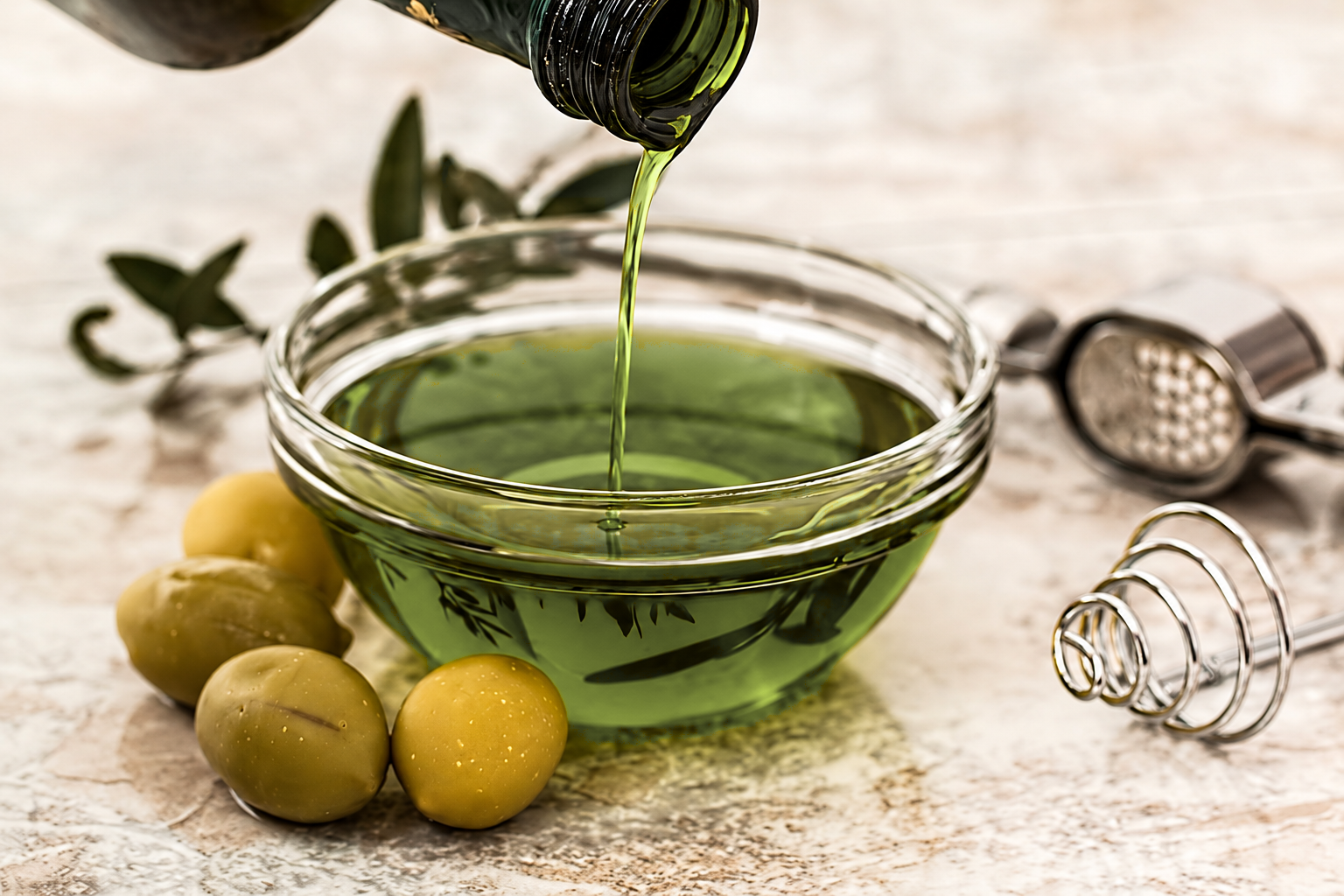
Another widespread mistake among home cooks is assessing olive oil quality by its colour. Visual appearance is dictated simply by the natural plant pigments present in the fruit: chlorophylls contribute vibrant emerald green hues, whereas carotenoids produce lustrous golden and yellow shades.
Early harvest oils pressed from green olives tend to appear intensely emerald, whilst pressings from fully ripened fruit lean towards radiant gold. Olive genetics also play a major role: certain varieties yield naturally green oils even when harvested later in the season.
Crucially, colour reveals nothing about quality or olive oil acidity. A glowing golden oil can be an extraordinary extra virgin, whereas a brilliant green sample might harbour fatal defects. To ensure visual appearance never sways their impartial judgement, professional tasting panels always conduct tastings using standardised cobalt-blue glasses that conceal the colour entirely.
Filtered versus unfiltered olive oil
When oil emerges fresh from the centrifuge at the olive mill, it contains microscopic droplets of vegetation water and tiny suspended particles of olive pulp. This mixture creates an appealing, cloudy appearance. Mills can either allow this freshly pressed oil to settle naturally in holding tanks or run it through physical filters to remove suspended solids.
Unfiltered olive oil, traditionally known in Spain as aceite en rama (raw, freshly decanted oil straight from the mill), looks strikingly rustic and boasts an explosion of intense fruitiness during its opening weeks. However, residual moisture and microscopic organic particles encourage microbial fermentation and premature oxidation over time. As the oil ages in storage, these suspended impurities can trigger sensory flaws and cause an increase in the olive oil acidity.
For that reason, olive oil experts advise enjoying unfiltered oils within a few months of bottling and keeping them protected with meticulous care. For everyday pantry keeping over longer periods, filtered extra virgin olive oil provides far greater stability. You will discover exceptional unfiltered selections, such as Pintarré Rama, during the vibrant early months of the new harvest.

Olive oil acidity at home: storage and cooking
Once an oil arrives in your home kitchen, its olive oil acidity remains remarkably stable, provided you store the bottle properly. What inevitably degrades over time are the volatile aromatic bouquets and natural olive compounds, which gradually succumb to light, warmth, and atmospheric oxygen.
To ensure your extra virgin olive oil preserves its low acidity level and sparkling fruitiness, store it in a cool, dark kitchen cupboard well away from the cooker. Always seal the cap tightly after pouring. If you purchase practical tins or five-litre flagons, decant small quantities into a clean, dark glass cruet for daily use.
What about cooking over heat? The temperature of your frying pan does not magically transform a fine oil into an “acidic” liquid. Extra virgin olive oil demonstrates remarkable thermal stability thanks to its high oleic acid content and protective polyphenols, making it well suited for frying. Simply avoid overheating the oil past its smoking point and refrain from reusing frying oil excessively.
One final practical tip: if a bottle ever smells stale, vinegary, greasy, or damp, discard it without hesitation, even if its initial olive oil acidity was remarkably low when bottled. Those stale off-notes reveal irreversible oxidation or fermentation, and no historical acidity level can salvage spoiled oil.
How to tell if an olive oil is good
As we have explored, olive oil acidity on its own cannot paint the complete picture of culinary excellence. Here are the practical, indispensable guidelines for choosing an exceptional extra virgin olive oil when shopping:
- Check the category name carefully. Always seek out the words “extra virgin olive oil”. A bottle labelled merely as “olive oil” is an industrial blend of refined and virgin oil.
- Look closely at geographical origin. The label must state the country of harvest and milling or the specific region. Protected designations of origin (PDO) guarantee rigorous external quality controls.
- Seek the harvest year or bottling date. Olive oil is at its aromatic best when fresh; the more recent the harvest campaign, the more vibrant the flavour.
- Select light-protective packaging. Dark glass bottles, sealed tins, or opaque ceramic containers shield delicate fats from damaging ultraviolet light far better than clear glass.
- Trust your nose and palate. A stellar extra virgin olive oil bursts with aromas of freshly cut grass, green leaves, herbs, or tomato vine. If you detect stale, greasy, or vinegary notes, the oil has spoiled.
- Buy from passionate specialists. A dedicated merchant curates artisan oils directly from reputable mills and stores every consignment in climate-controlled conditions.
To understand exactly how long opened bottles last and how to store them flawlessly, consult our detailed guide on olive oil shelf life. If you are keen to explore the wonderful diversity of regional flavours, start with our introduction to Spanish olive oil varieties.
In summary
The olive oil acidity measures the physiological condition of the olive fruit and the speed of milling, never culinary flavour. In extra virgin olive oil it must remain at 0.8% or below, but the true benchmark of excellence is organoleptic panel tasting.
Extra virgin olive oils selected one by one. We work with artisan olive mills that care for every olive from tree to bottle.
Frequently asked questions about olive oil acidity
What acidity level does a good extra virgin olive oil have?
Under European law, extra virgin olive oil must have a maximum olive oil acidity of 0.8%. However, premium artisan oils crafted from pristine fruit typically record an acidity level between 0.1% and 0.3%, though chemical numbers alone never substitute for sensory excellence.
Is an oil with a lower acidity level milder in flavour?
No. An olive oil acidity reading is an imperceptible laboratory measurement, not a culinary flavour profile. Delicacy or boldness depends entirely on the olive variety, harvest timing, and natural polyphenol concentrations.
Does olive oil acidity increase over time?
The acidity level can creep upwards slightly if an oil suffers poor storage conditions, particularly in unfiltered oils containing water droplets or when exposed to high ambient heat. Conversely, a cleanly filtered oil stored in a cool, dark cupboard maintains a remarkably stable olive oil acidity.
Why does extra virgin olive oil have a peppery bite?
That distinctive peppery sensation at the back of your throat is caused by natural polyphenols, not olive oil acidity. Pleasing bitterness and peppery pungency are celebrated positive attributes confirming that the oil is wonderfully fresh and pressed from wholesome fruit.
Where can you find the olive oil acidity of a bottle?
You can find it on the official batch analysis certificate, which quality olive mills gladly supply upon request. Under EU marketing regulations, olive oil acidity may only be printed on retail bottle labels if accompanied by three other mandatory chemical parameters.
The next time you encounter a discussion about olive oil acidity, you will know precisely what the numbers signify. While the acidity level offers invaluable proof of sound agricultural care, your own nose and palate remain the ultimate judges of great olive oil.