Spanish olive oil varieties explain why two extra virgin olive oils can taste so different. A Picual from Jaén is intense, green and peppery; an Arbequina from Lleida is sweet and delicate. More than 260 olive varieties are grown in Spain, although around ten of them account for almost all production. In this guide we look at the eight most important olive oil varieties, how to recognise them when you taste them and which one to choose for each dish.
Contents
Why olive oil varieties matter
Extra virgin olive oil is olive juice, and each olive variety gives a fruit with its own composition. The balance of fatty acids, the amount of polyphenols and the aromatic compounds all change from one variety to another. That is why the variety is the first factor that defines the flavour of an oil, long before the bottle, the label or the price come into play.
It is not the only factor. Climate, soil, altitude, the timing of the harvest and the work at the mill also play their part. An early harvest Picual is nothing like a Picual picked in January. But knowing the main olive oil varieties gives you a map to find your way and choose with confidence, whether you are shopping for everyday cooking or for a special bottle.
The variety also determines how stable the oil is. Those richest in oleic acid and polyphenols, such as Picual or Cornicabra, stand up better to the passing of time and to the heat of the frying pan. The more delicate ones, such as Arbequina or Picudo, are best enjoyed sooner so that you can appreciate all their aroma. In other words, choosing between olive oil varieties is also choosing how you will store and use the bottle.

The 8 olive oil varieties at a glance
Before going into detail, this table sums up where each variety is grown, what its oil is like and what it works best for. Keep it handy: it is the quickest way to compare the olive oil varieties in this guide.
| Variety | Main area | Profile | Recommended uses |
|---|---|---|---|
| Picual | Jaén, Córdoba, Granada | Intense, herbaceous, bitter and peppery | Raw, stews, frying |
| Arbequina | Catalonia, Aragon, Andalusia | Mild, sweet, almond and apple | Salads, fish, baking |
| Hojiblanca | Córdoba, Málaga, Seville | Balanced, almond, peppery finish | Everyday use, soups, pulses |
| Cornicabra | Toledo, Ciudad Real | Green fruitiness, bitter and peppery | Raw, roasts, marinades |
| Royal | Sierra de Cazorla (Jaén) | Very fruity, sweet, low bitterness | Salads, toast, cheese |
| Arbosana | Catalonia and hedgerow groves | Green fruitiness, tomato, artichoke | Vegetables, rice, pasta |
| Picudo | Southern Córdoba | Sweet, apple and tropical fruit | Baking, fish, sauces |
| Lechín | Seville, Córdoba, Granada | Green and aromatic, medium bitterness | Salads, meat, vegetables |
Picual: the queen olive variety of Jaén
Picual is the most widely grown variety in Spain and the great star of the Jaén olive groves, the province with more olive trees than anywhere else in the world. It owes its name to the shape of its olive, which ends in a small point (pico in Spanish).
Its oil is intense, with a green fruitiness reminiscent of freshly cut grass, olive leaf, tomato plant and fig tree. On the palate it stands out for its marked bitterness and pungency, especially in early harvest oils. If you have only ever tasted mild supermarket oil, a good Picual can be a real surprise.
Picual is very rich in oleic acid and polyphenols, which makes it one of the most stable olive oil varieties. It copes very well with high temperatures, so it is perfect both raw and for stews, roasts and frying.
In Jaén, Picual is protected by four designations of origin: Sierra de Segura, Sierra de Cazorla, Sierra Mágina and Jaén Sierra Sur. Each has its own nuances because of altitude and climate. Mountain Picuals tend to be fresher and more aromatic; those from the lowland countryside a little more powerful and bitter. If you are interested in the area, we cover it in our guide to Jaén olive oil.
How to use a Picual olive oil
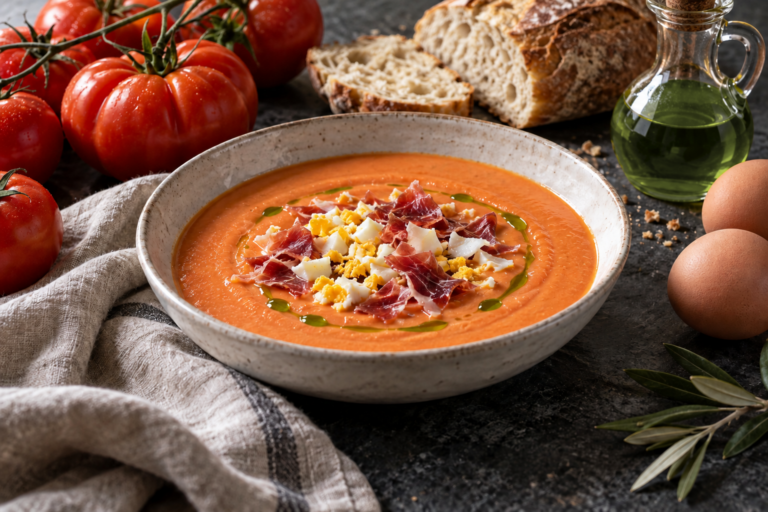
It shines on toast, in salmorejo (a thick, chilled tomato and bread soup from Córdoba) or a gazpacho, in salads with bold ingredients and with chargrilled meat. It is also the best choice if you fry often, because it does not break down easily.
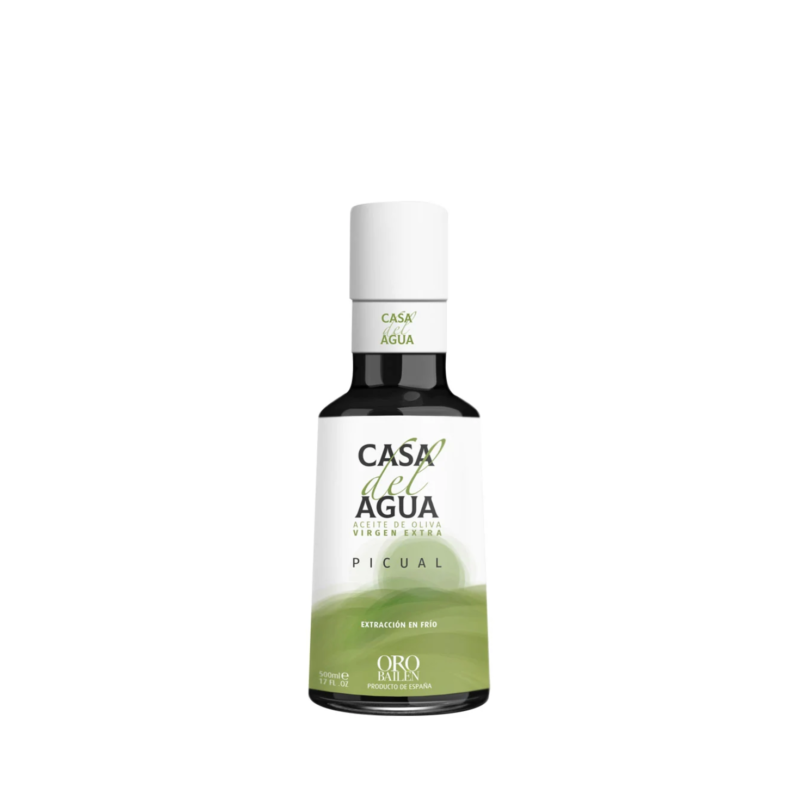
In our shop you will find many Picuals from Jaén, such as Casa del Agua Picual, Palacio de los Olivos Picual or the oils from Pintarré.
Arbequina: sweetness and delicacy
Arbequina takes its name from Arbeca, a village in Lleida, and is the emblematic olive variety of Catalonia. Today it is grown all over Spain and in many other countries, because it adapts well to modern olive groves.
Its olive is small and gives a mild, fluid and sweet oil, with aromas of apple, almond, banana and ripe tomato. Bitterness and pungency are light, which is why it is the favourite variety of people who are just starting to discover extra virgin olive oil.
It is less stable than Picual: it is best used in the months after it is made and kept well away from light. The Les Garrigues and Siurana designations of origin, in Catalonia, protect some of the finest Arbequinas.
How to use an Arbequina olive oil
It works wonderfully with white fish, shellfish, tender leaf salads, mayonnaise and baking. It replaces butter in sponge cakes and magdalenas (small Spanish muffins) without adding aggressive flavours.
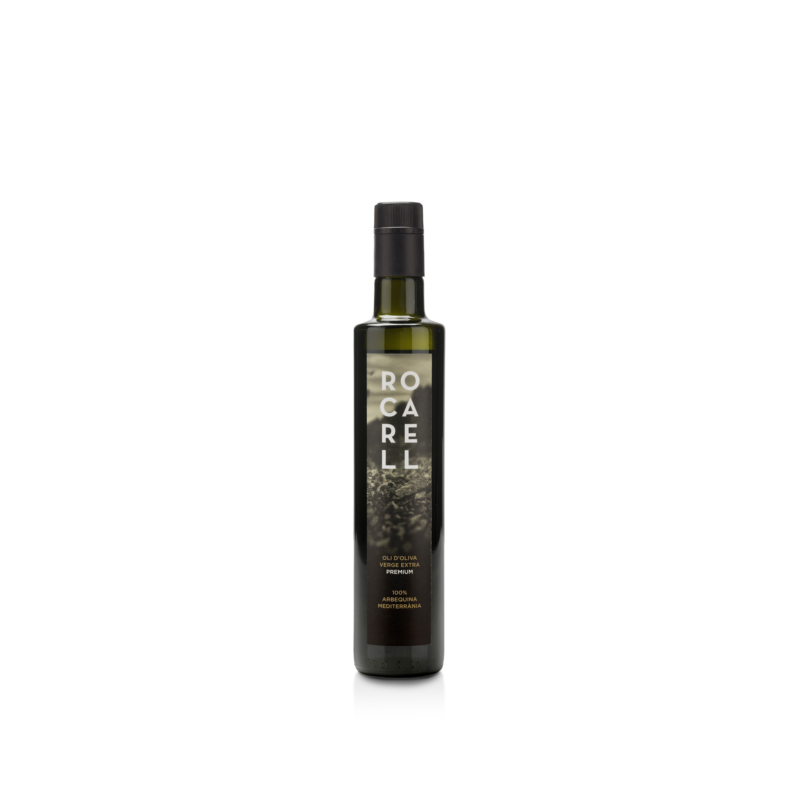
Try the Rocarell Arbequina by Set D’Oli, made in Catalonia, or the organic Oro del Desierto Arbequina, from Almería.
Hojiblanca: Andalusian balance
Hojiblanca is grown mainly in southern Córdoba, northern Málaga and eastern Seville. Its name comes from the whitish underside of its leaves (hoja blanca means “white leaf”), which gives the groves a silvery shimmer when the wind blows.
It is a dual-purpose olive variety: it is used for oil and for table olives. Its oil is balanced, with aromas of fresh grass, almond and artichoke, light bitterness and a pungency that appears at the end. The Antequera and Estepa designations of origin have it as their main variety.
How to use a Hojiblanca olive oil
It is a very versatile oil for every day: pulses, vegetable soups, pasta, oily fish and white meat. Its peppery touch adds character without dominating the dish.
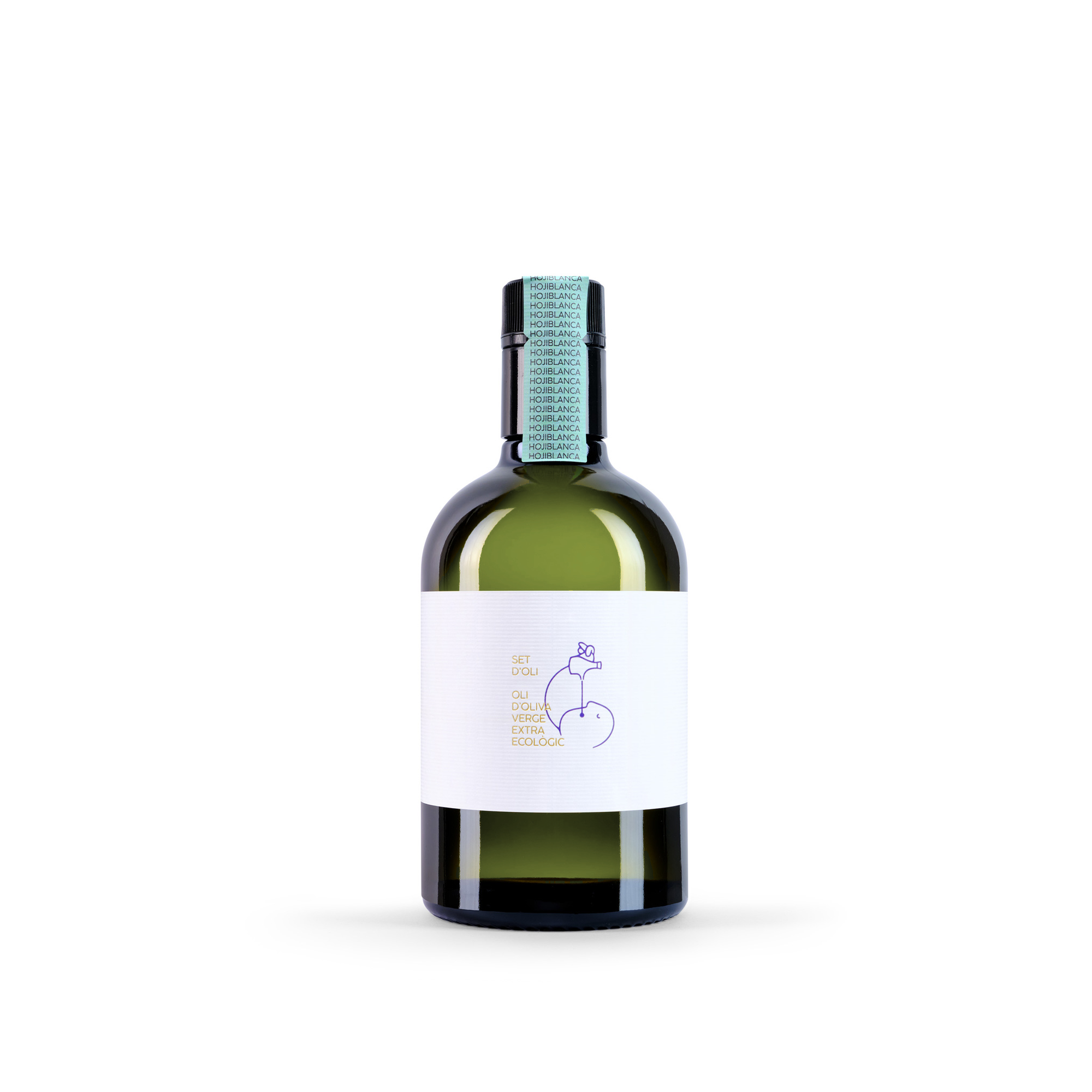
You can try it in the organic Hojiblanca by Set D’Oli or the organic Morellana Hojiblanca.
Cornicabra: the character of La Mancha
Cornicabra is the variety of Castilla-La Mancha, especially Toledo and Ciudad Real, and one of the most widespread in Spain. Its olive is long and curved, like a goat’s horn (cuerno de cabra), hence its name. The Montes de Toledo designation of origin protects it.
It gives oils with an intense green fruitiness, aromas of grass, artichoke and green apple, and powerful bitterness and pungency. It is very stable thanks to its high content of oleic acid and polyphenols.
How to use a Cornicabra olive oil
Ideal raw on toast and salads, in escabeche (a Spanish vinegar and oil marinade) and with roast lamb or pork. It also stands up well to frying. Find it in the organic Cornicabra by Set D’Oli.
Royal: the jewel of Cazorla
Royal is a native variety of the Sierra de Cazorla, in north-eastern Jaén. It is grown in mountain areas and is scarce, which makes it a rarity much prized by olive oil lovers. Finding a single-variety Royal is a small treat, and a good way to see how local olive oil varieties survive alongside the big names.
Its oil is very fruity and sweet, with notes of ripe fruit, banana and almond, and gentle bitterness and pungency. Picked green, it gains herbaceous notes without losing its delicacy.
How to use a Royal olive oil
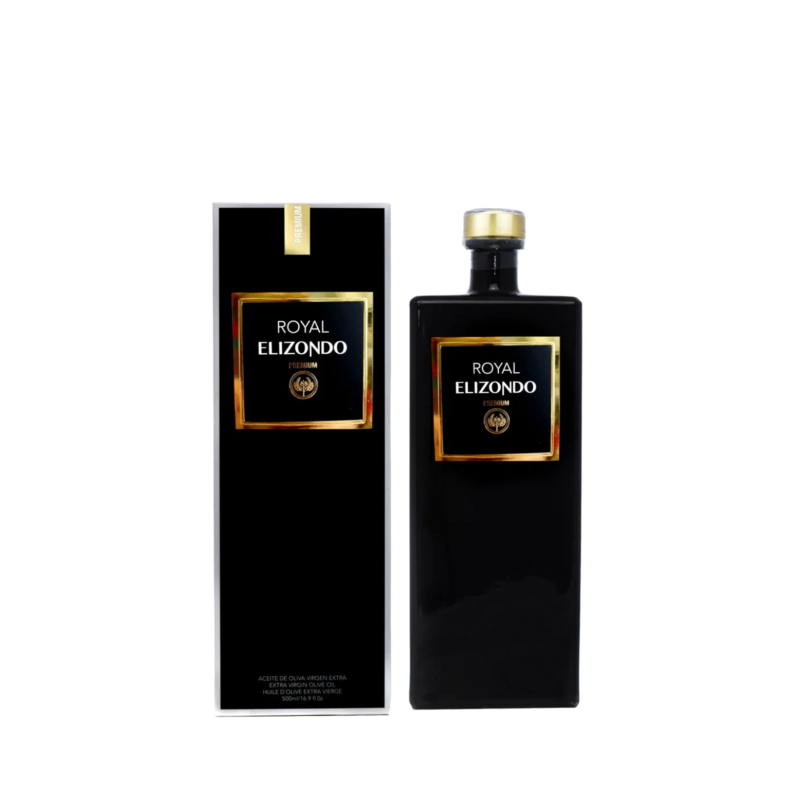
Enjoy it raw, on fresh cheeses, fruit salads, carpaccios or good bread. Because its flavour is so gentle and fruity, it is best kept away from strong sauces or long cooking, where its subtle aromas would simply disappear. Try the Premium Royal by Elizondo.
Arbosana: green freshness
Arbosana is a variety of Catalan origin that has spread with hedgerow olive groves, because the tree is compact and suited to mechanical harvesting. It ripens later than Arbequina.
Its oil is fresh and green, with aromas of tomato, artichoke, grass and green almond, medium bitterness and a slightly more noticeable pungency than Arbequina. It is more stable than Arbequina, which makes it very interesting for blends.
How to use an Arbosana olive oil
It goes very well with griddled vegetables, rice dishes, pasta and fish. Its green, tomato-like notes make it a natural partner for summer cooking, when vegetables are at their best and you want an oil that adds freshness. Find it in the Palacio de los Olivos Arbosana or the organic Arbosana by Set D’Oli.
Picudo: sweetness from Córdoba
Picudo, also known as Carrasqueña de Córdoba, is grown in southern Córdoba, in areas such as Priego de Córdoba and Baena, and in parts of Granada and Málaga. The Priego de Córdoba and Baena designations of origin include it among their varieties.
It gives very sweet, aromatic oils, with notes of apple, tropical fruit and almond, and very gentle bitterness and pungency. It is a delicate variety that is best enjoyed soon after it is made.
How to use a Picudo olive oil
Perfect for baking, mayonnaise, fish and mild sauces. Its natural sweetness means you can use it in cakes and biscuits without the oil standing out, and it makes a smooth, gentle mayonnaise that even children enjoy. You can try the organic Morellana Picuda.
Lechín: aroma and freshness
The name Lechín covers two different varieties: Lechín de Sevilla, grown in Seville and Córdoba, and Lechín de Granada, in Granada and Almería. The name refers to the whitish juice of the olive (leche means milk).
Its oil is green and aromatic, with notes of grass, leaf and green fruit, medium bitterness and light pungency. It is often used in blends to add freshness.
How to use a Lechín olive oil
It works with salads, white meat and roast vegetables. If you enjoy fresh, green oils but find Picual too strong, Lechín is a good middle ground and a lovely olive variety to discover. Try it in the organic Oro del Desierto Lechín.

Other olive oil varieties worth knowing
The list of Spanish olive oil varieties is much longer. These are some you will come across on labels and at tastings:
- Empeltre. The variety of Aragon and Bajo Aragón. Sweet, mild oils with notes of apple and nuts.
- Manzanilla Cacereña. From Extremadura, protected by the Gata-Hurdes designation of origin. Fruity, balanced oils.
- Morisca. Also from Extremadura, with fruity oils of tomato and almond.
- Verdial. Found in Málaga, Badajoz and Huelva, with sweet oils and little bitterness.
- Frantoio and Koroneiki. Italian and Greek varieties that some Spanish producers grow to make blends.
If you would like to learn more, the International Olive Council publishes a world catalogue of olive varieties with their origin and characteristics.
How olive oil varieties change with climate and harvest
The same olive variety can give very different results depending on where and when it is grown. A mountain Picual, with cold nights and higher altitude, tends to be fresher and more herbaceous than one from the lowlands. An Arbequina from Jaén does not taste exactly like one from Lleida.
The year matters too. Seasons with autumn rain give olives with more water and slightly milder oils; dry seasons concentrate the aromas and the bitter compounds. That is why tasters talk about vintages, just as with wine.
The timing of the harvest is the factor you notice most. With green olives, every olive variety gives more intense, bitter and peppery oils. With ripe olives, the oils are sweeter, rounder and golden in colour. Between these two extremes, each mill chooses its own style.
A tasting of olive oil varieties at home
The best way to learn is to compare. Choose three very different olive oil varieties, for example an Arbequina, a Hojiblanca and a Picual, and follow these steps:
- Pour a tablespoon of each oil into a small glass, always from the mildest to the most intense.
- Cover the glass with your hand and warm it for a few seconds to release the aromas.
- Smell each oil and note what it reminds you of: grass, apple, tomato, almond, banana.
- Take a small sip, spread it around your mouth and pay attention to the bitterness and pungency.
- Between oils, eat a piece of green apple or drink a little water.
In a few minutes you will notice how each olive variety has its own personality. It is a perfect plan to share with friends and find out which one you like best.
Single variety or blend: which is better?
A single-variety oil is made from one olive variety and expresses its character to the full. A blend (coupage) combines several varieties to achieve a more balanced or complex oil, just as winemakers do with wine.
Neither is better by definition, and both have their place in a well-stocked kitchen. Single-variety oils are perfect for getting to know the varieties of olive oil and comparing them. Blends aim for harmony: for example, the sweetness of Arbequina with the power and stability of Picual.
In our shop you can filter by single-variety oils or blended oils. If you want to compare several varieties at once, the variety packs are the best option.
How to choose between olive oil varieties
The best way to find out which variety you like is to taste. Even so, these pointers will help:
- If you like intense flavours: Picual or Cornicabra, ideally early harvest.
- If you prefer mild flavours: Arbequina, Picudo or Royal.
- For everyday cooking and frying: Picual, Hojiblanca or a stable blend.
- For baking: Arbequina or Picudo, for their sweetness.
- For salads and raw dishes: any variety, to your taste; green oils add freshness.
To taste and compare olive oil varieties as professionals do, pour the oil into a small glass, warm it with your hand and smell it before tasting. We explain it step by step in our guide to the olive oil tasting glass.
The harvest matters too
The same variety changes a great deal depending on when it is picked. New harvest and early harvest oils are greener and more intense; late-harvest oils are milder and sweeter.
Discover all the olive oil varieties in our shop. Single-variety Picual, Arbequina, Hojiblanca, Cornicabra, Royal and many more, from mills all over Spain, with fast dispatch within 24/48 h from Spain.
Frequently asked questions about olive oil varieties
Which olive oil variety sells the most in Spain?
Picual, which is grown mainly in Jaén. It is the variety with the largest area of olive groves in the country and the basis of many oils sold in Spain and abroad.
Which olive variety gives the mildest oil?
Arbequina is the best known of the mild ones, together with Picudo and Royal. They have little bitterness and little pungency.
Which variety is best for frying?
The most stable ones, such as Picual or Cornicabra, because of their high content of oleic acid and polyphenols. Any extra virgin olive oil is suitable for frying, but these stand up better to heat.
Does the colour of the oil depend on the variety?
Partly, yes, and also on when the olives were picked. An early harvest oil is greener because of its chlorophyll. Colour does not indicate quality, which is why blue glasses are used at official tastings.
What does it mean when an oil is single-variety?
That it has been made from just one olive variety. It is the best way to get to know the character of each variety.
Getting to know olive oil varieties is the first step to enjoying extra virgin olive oil even more. Taste, compare and keep the ones that suit your cooking best. Before long you will find that you reach for a different bottle depending on the dish, just as you would choose a different wine for fish or for a roast.