Every autumn, Spain’s olive groves fill with nets spread under the trees, with shakers, trailers and crates travelling to and from the mill. The olive harvest is the moment that decides the quality of the oil: when the olives are picked, how they are picked and how long they take to be milled make the difference between an ordinary oil and a memorable extra virgin. Here is how it is done, step by step.
Contents
When olives are harvested
The harvest in Spain usually begins in mid-October and runs into January or February, depending on the area, the variety and the weather. In the mountains and with early varieties it starts sooner; on the plains and with late olives, later. Each mill chooses the moment by watching the colour of the fruit and its oil content.
Green olives
- Start of the season (October–November).
- Intense oils: green fruitiness, bitterness and pungency.
- Less oil per kilo of fruit.
Ripe olives
- End of the season (December–February).
- Milder, sweeter oils.
- More oil per kilo, less aroma.
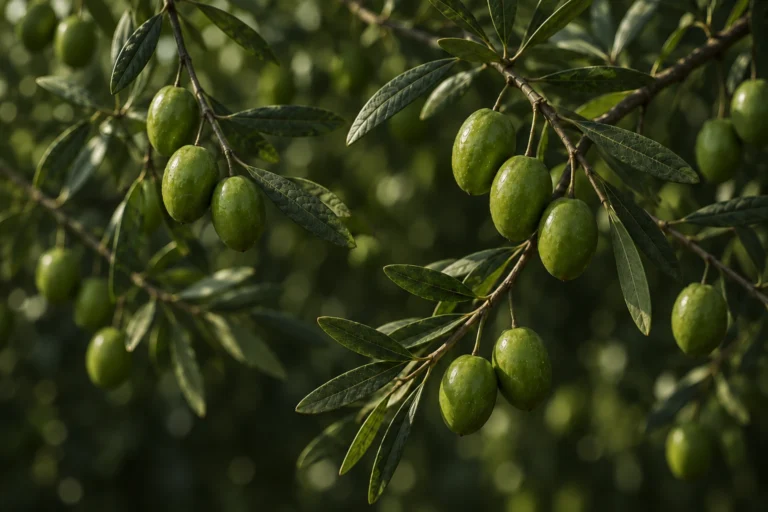
Early harvest: green olives
An early harvest means picking the olives while they are still green or just starting to change colour (veraison). The fruit holds less oil, but that oil concentrates the freshest aromas and the highest amount of natural polyphenols. It is a quality decision: the producer gives up litres in exchange for an exceptional oil, the one many mills bottle as «first day of harvest». We explain it in our new harvest guide.
In the olive grove the calendar rules: a few weeks either way completely change the taste of the oil.
How olives are harvested
- Hand-pickingThe olives are stripped from the branch by hand or with small rakes. It is the gentlest and slowest method, used on small trees, for table olives and in some very careful productions.
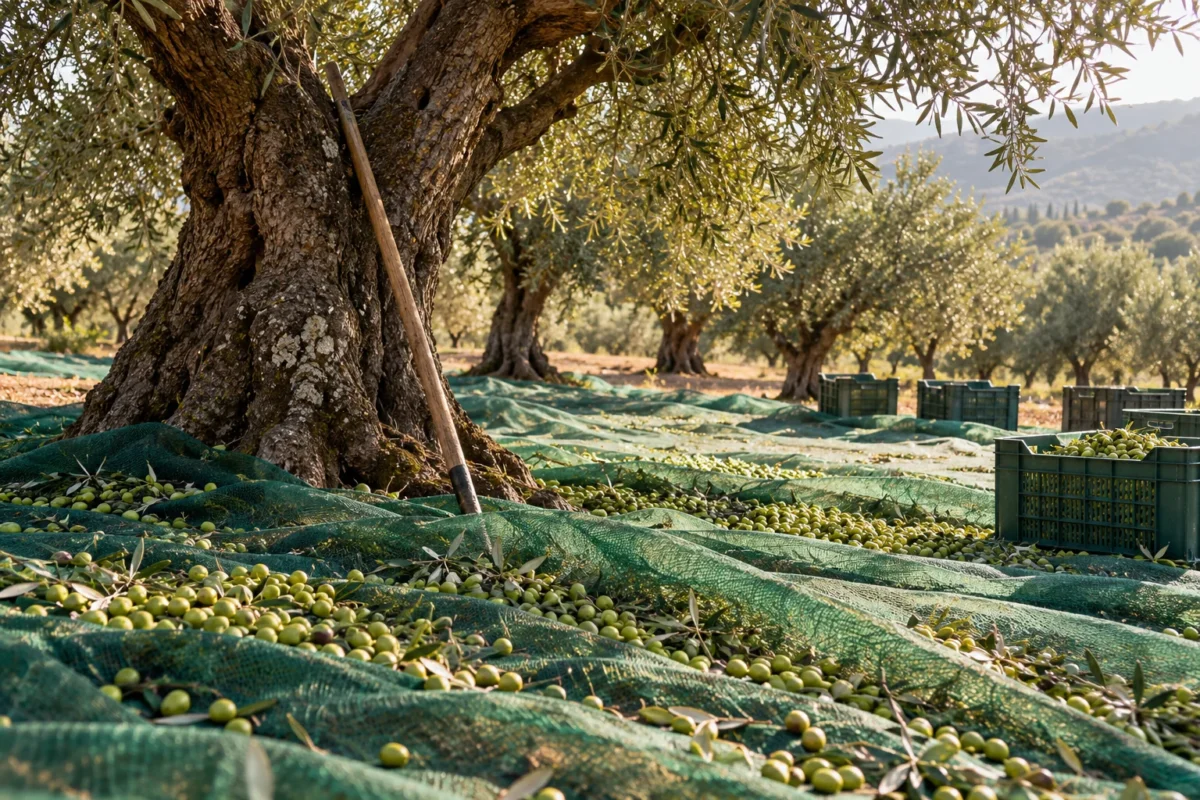
- BeatingThe branches are struck with long poles so the fruit falls onto nets spread on the ground. It is the traditional method in mountain groves.
- Trunk shakersA machine grips the trunk and shakes it for a few seconds; the olives fall onto nets or an inverted umbrella. It is the most common method in traditional groves that can be mechanised.
- Straddle harvestersIn hedgerow groves a machine passes over the row and collects the olives without them touching the ground, continuously and very fast.
Tree olives and ground olives
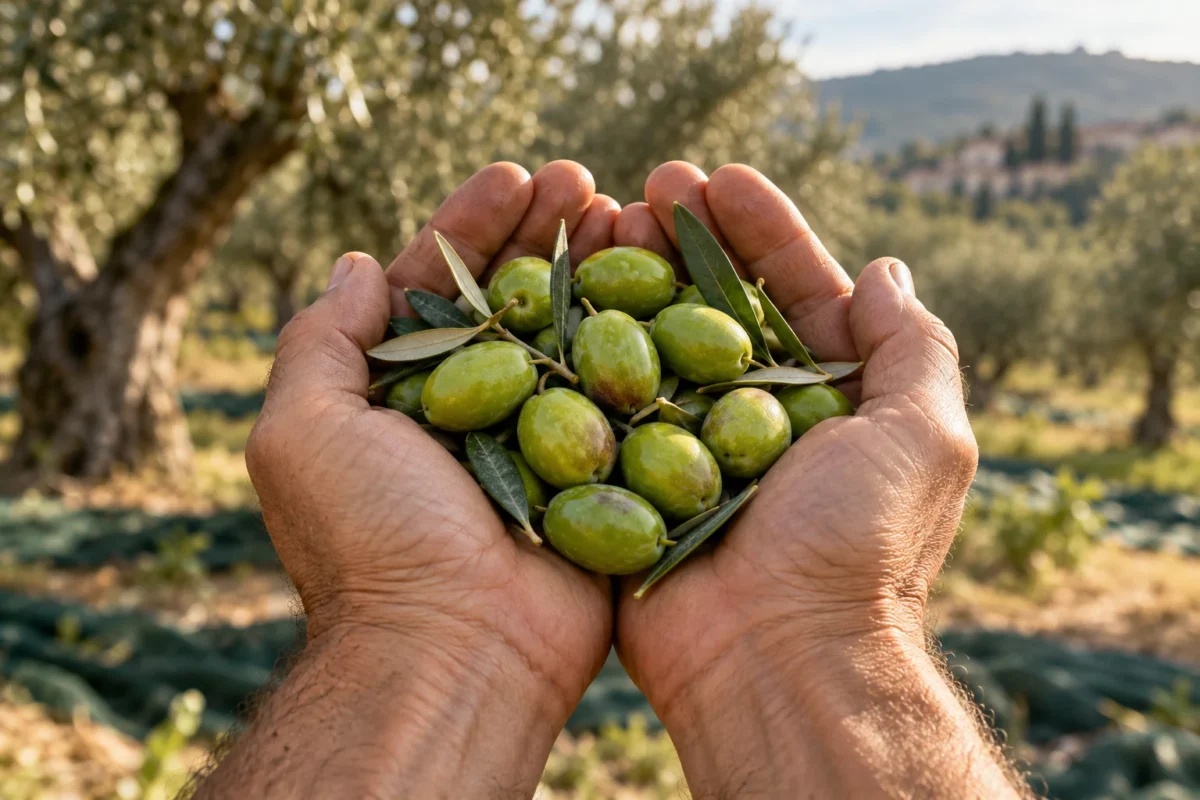
Olives picked from the tree are called «de vuelo»; those that had already fallen to the ground on their own, «de suelo». Quality mills collect and process them separately: ground olives have been in contact with soil and moisture, deteriorate sooner and give lower-category oils. A top extra virgin uses only sound, unbruised tree olives.
From the tree to the mill
Once picked, the olives start to lose quality, so the clock is ticking. They travel in trailers or in ventilated crates, which stop the fruit from being crushed and fermenting, and at the mill they go through several stages:
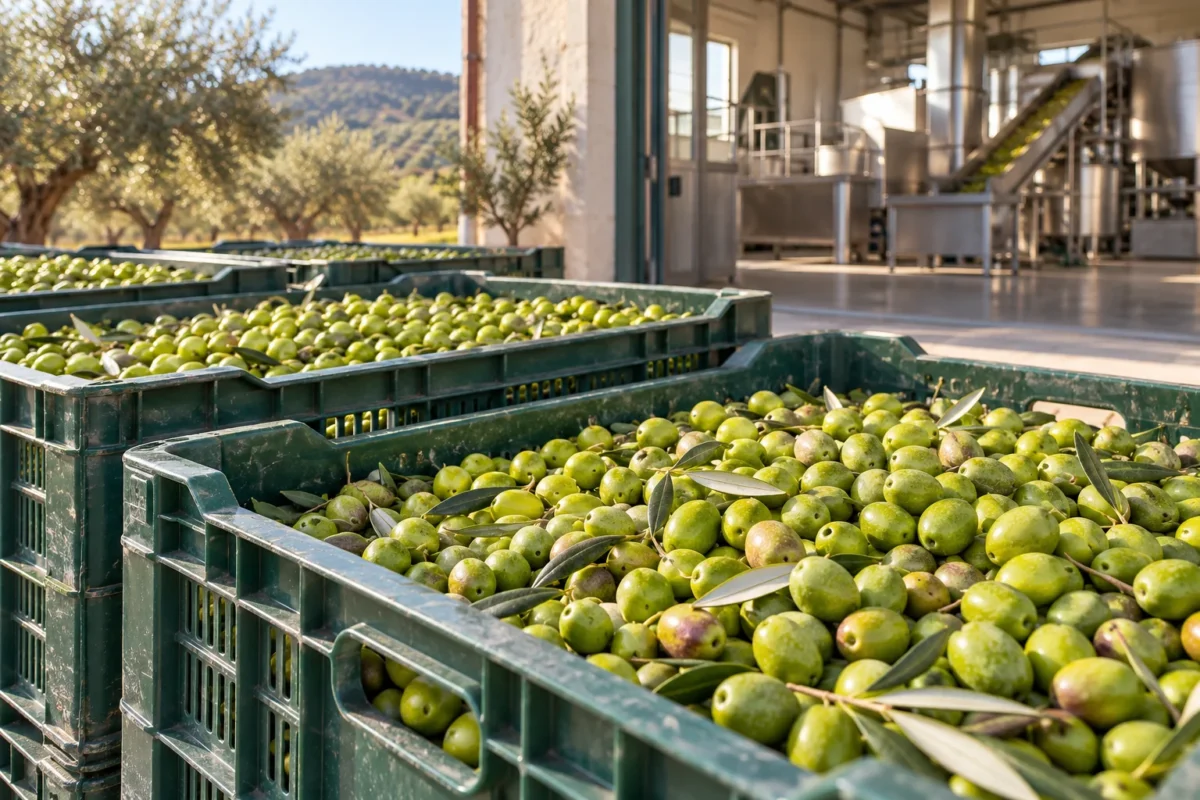
- Reception and cleaningLeaves, twigs and stones are removed, and the olives are washed if needed.
- Milling and malaxingThe fruit is crushed and the paste is slowly mixed at a controlled temperature, below 27 °C for cold extraction.
- CentrifugationA centrifuge separates the oil from the water and the solid residue (the pomace).
- Settling and storageThe oil rests in stainless steel tanks, protected from air and light, until it is bottled.
How many kilos of olives make a litre
It depends on the variety, the weather and, above all, ripeness. As a guide, it takes between 5 and 10 kilos of olives to make one litre of oil. Green early-harvest olives are at the top of that range: they yield less, which is why their oil is scarcer and more valuable.
What does «first cold pressing» mean?
It is a phrase inherited from the old press mills. Today oil is extracted by centrifugation, without presses, and the legal term is «cold extraction» when the paste stays below 27 °C.
Early-harvest oils
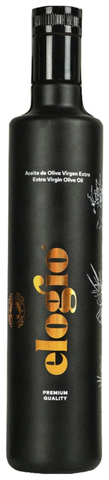 Elogio Premium Picual, 500 ml bottleGreen olives from a mountain grove, 2026/2027 harvest.22,90 €
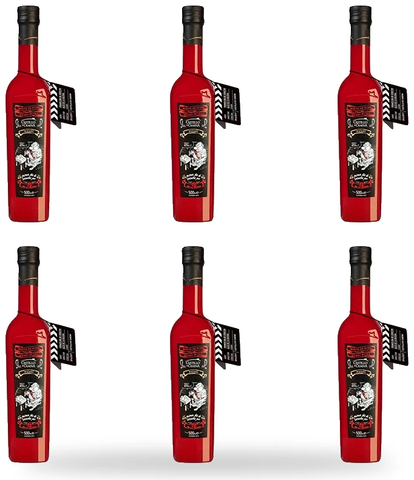 Castillo de Canena First Day Picual, case of 6 × 500 mlBottled with the olives from the first day of picking.142,90 €
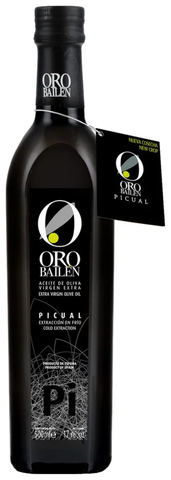 Oro de Bailén Picual, 500 ml bottleFresh Picual from a family mill in Jaén.15,90 €
The new harvest is here. Discover this season’s early-harvest oils.
FAQ about the olive harvest
When does the olive harvest start?
Usually in mid-October, with the early harvest, and it continues until January or February depending on the area and the variety.
How are olives harvested?
By hand, by beating with poles, with trunk shakers or with straddle harvesters in hedgerow groves.
What are tree olives?
Olives picked straight from the tree. They are kept apart from ground olives because they give higher-quality oils.
How long does it take for olives to become oil?
At a quality mill the olives are milled within 24 hours of picking, and the extraction itself takes only a few hours.
How many kilos of olives does it take to make a litre of oil?
Between 5 and 10 kilos, depending on ripeness and variety. Green olives yield less than ripe ones.