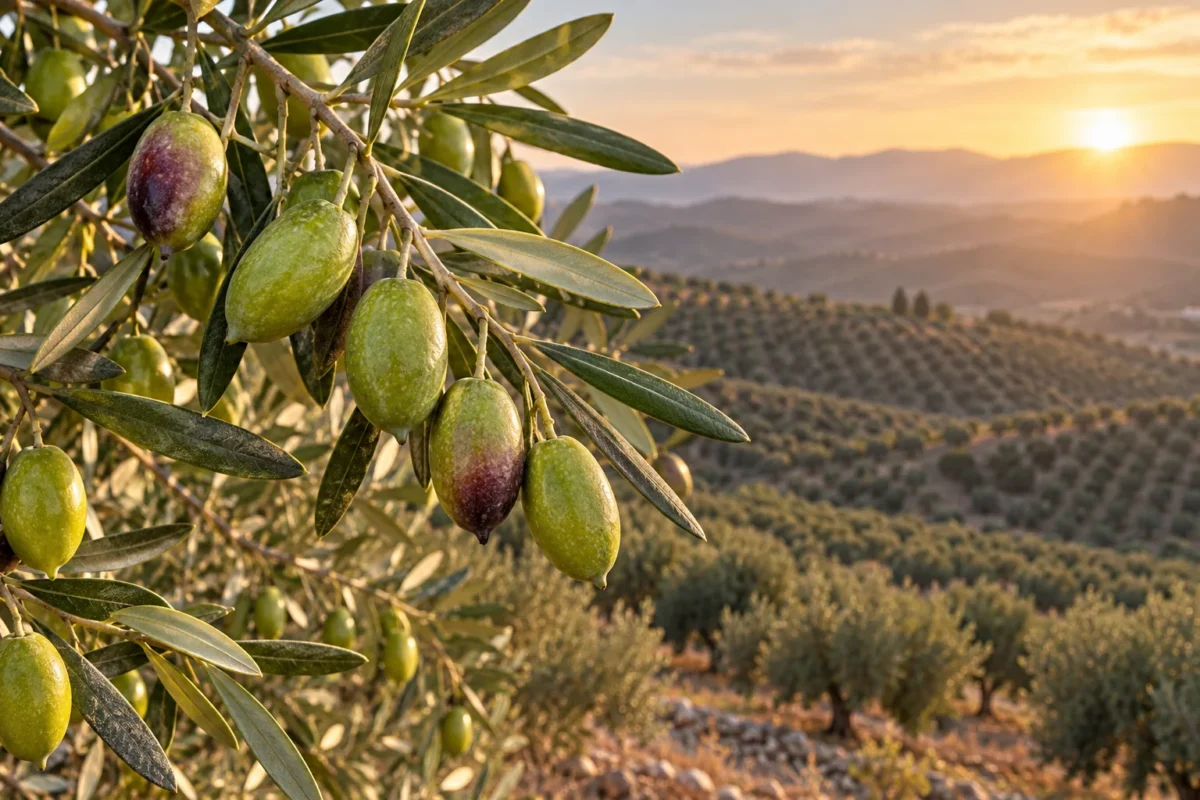
Picual olive oil is the taste of Jaén. Green, intense, with an elegant bitterness and a pungency that lingers in the throat, it comes from the most widely grown olive variety in Spain, the one that covers the hills of the sea of olive trees in endless rows. In this guide we explain what a good Picual is like, why it is so stable, how to use it in the kitchen and how to choose a quality one.
Contents
Picual in a nutshell
- It is the most widely grown olive variety in Spain and the star of Jaén’s olive groves.
- It gives intense, green, bitter and pungent oils, with notes of tomato plant, grass and fig leaf.
- It is one of the most stable oils: it stands up very well to heat and to time.
What Picual olive oil is
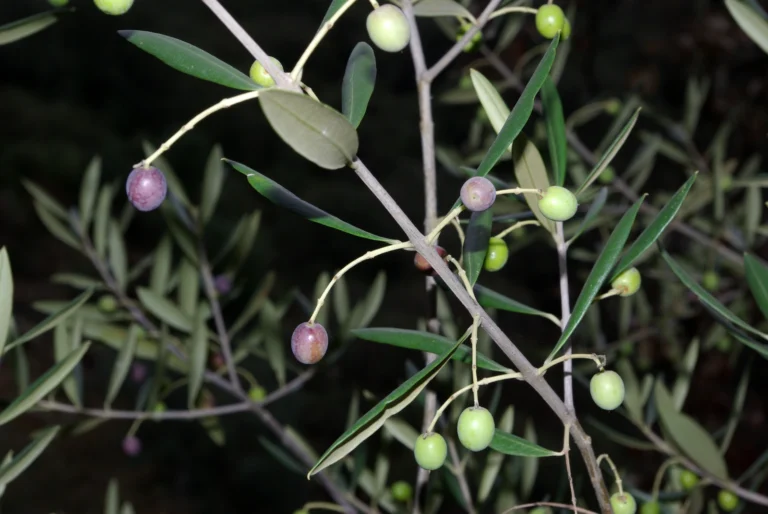
Picual, also known as marteño or lopereño in some districts, is an olive variety native to Andalusia. Its name comes from the shape of the olive: elongated, with a small point at the tip, like a beak («pico»). The tree is vigorous and productive and the olive has a high oil yield, which explains why it dominates the groves of Jaén and much of Andalusia.
What Picual tastes like
An early-harvest Picual is a burst of green. On the nose it recalls freshly cut grass, tomato leaf, fig tree and artichoke. On the palate it has body, develops a clean bitterness and finishes with an intense, building pungency. When the olives are picked riper, Picual becomes rounder and notes of ripe fruit and almond appear.
Green and herbaceous
Tomato plant, freshly cut grass, fig leaf, artichoke.
Bitter and pungent
Two positive attributes that speak of a fresh, lively oil.
The tickle in the throat is not a flaw: it is the signature of a freshly made Picual.
Jaén, the home of Picual
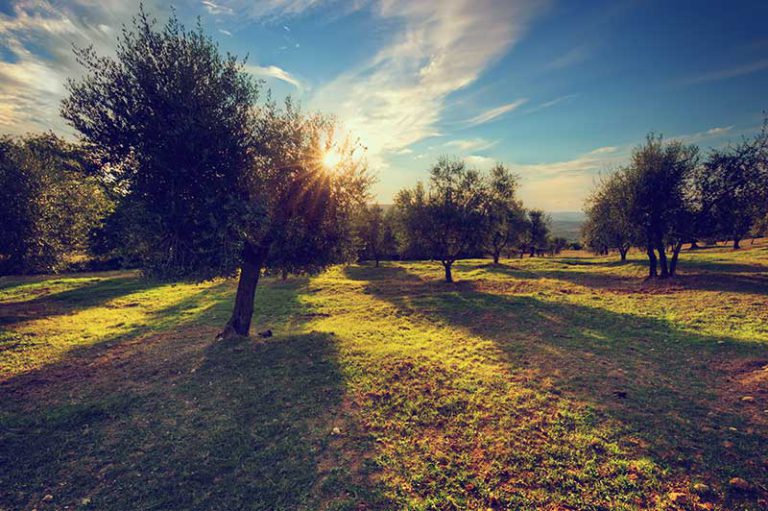
In Jaén the olive tree is landscape, history and economy. From the farmland to the mountains, millions of Picual trees grow on very different soils and altitudes, and you can taste it in the bottle: mountain oils tend to be fresher and more aromatic; those from the plains, more powerful. Three Designations of Origin protect oils from the province: Sierra de Segura, Sierra Mágina and Sierra de Cazorla.
If you are curious about the province and its mills, read our guide to Jaén olive oil or plan a trip with our guide to olive oil tourism in Jaén.
Why it is so stable
Picual is very rich in oleic acid and in natural polyphenols, the compounds behind its bitterness and pungency. That combination makes it especially resistant to oxidation: it takes longer to go rancid, keeps its aromas better through the season and copes very well with high cooking temperatures.
How to use Picual in the kitchen
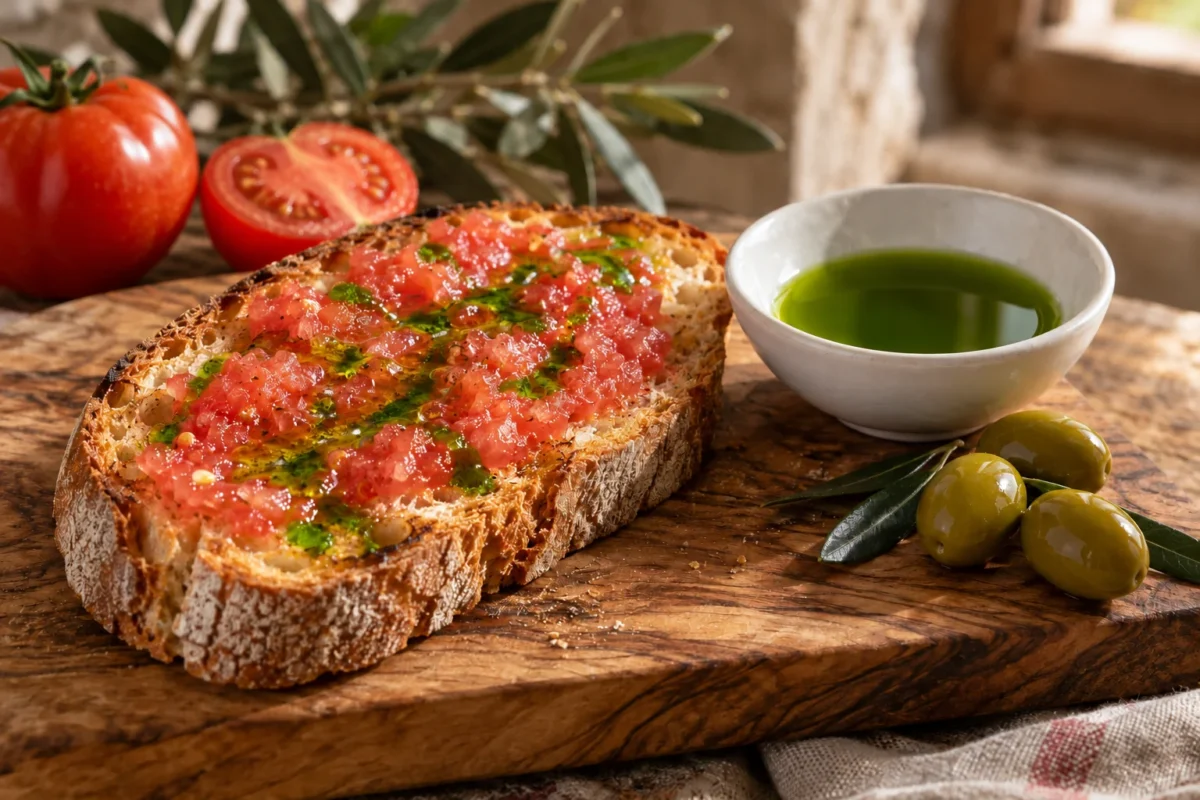
- Raw, with characterToast with tomato, gazpacho, salmorejo, tomato or bean salads. Its intensity holds up to bold ingredients.
- Stews and sofritoIt gives body to slow-cooked dishes and vegetable sofritos without losing personality.
- FryingIts stability makes it a great frying oil: chips, fish or croquettes come out crisp and tasty.
- To balanceIf you find it too intense raw, blend it with an Arbequina or start with dishes built on tomato and bread.
Torn between Picual and other varieties? Our guide to olive oil varieties compares them one by one.
How to choose a good Picual
Look for
- Extra virgin category.
- A recent harvest season (2026/2027).
- Identified origin and mill.
- A dark bottle or tin, which protect it from light.
Be wary of
- Clear bottles left in the light.
- Labels with no harvest or best-before date.
- An early Picual with no bitterness or pungency at all.
A storage tip
Keep it away from light and heat, tightly closed, and use it within a few months of opening. We explain how in how to store olive oil.
Torn between a Picual and an Arbequina? We help you choose dish by dish in Arbequina vs Picual.
Our Picual selection
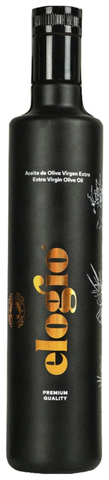 Elogio Premium Picual, 500 ml bottleEarly-harvest mountain Picual from Pozo Alcón.22,90 €
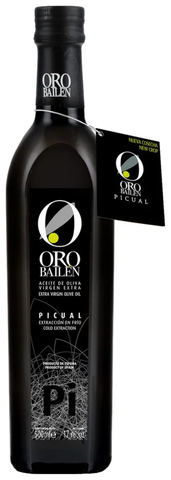 Oro de Bailén Picual, 500 ml bottleThe Picual of a family mill in Jaén.15,90 €
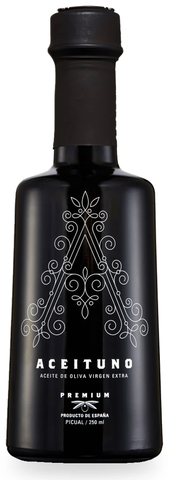 Aceituno Picual, 250 ml bottleHigh-altitude Picual from Valdepeñas de Jaén.9,90 €
All our Picual oils, from bottle to jug. Compare harvest, origin and price per litre.
FAQ about Picual olive oil
What are the characteristics of Picual olive oil?
It is an intense, green oil with aromas of tomato plant, grass and fig leaf, marked bitterness and pungency, and great resistance to oxidation.
Is Picual olive oil good for frying?
Yes. It is one of the most heat-stable varieties, so it is excellent for frying and can be reused if filtered.
What is the difference between Picual and Arbequina?
Picual is intense, bitter and pungent; Arbequina is mild and sweet, with notes of almond and apple. Picual keeps better over time.
Why does Picual olive oil feel peppery?
Because of its natural polyphenols, more abundant in olives picked green. The pungency is a sign of freshness.
Where is Picual olive oil produced?
Mainly in Jaén, but also in Córdoba, Granada and other parts of Andalusia and Spain.