
Olive oil tourism in Jaén is the best way to discover where extra virgin olive oil comes from. The province with more olive trees than anywhere else in the world offers mills that open their doors, museums devoted to olive oil, guided tastings, walking and cycling routes through centuries-old groves and two World Heritage towns. In this guide we suggest what to see, what to do and when to go to enjoy olive oil tourism in Jaén, with the Olive Oil Greenway as the star of the show.
Contents
What olive oil tourism is
Olive oil tourism is travel centred on the olive tree and olive oil, just as wine tourism is centred on wine. It includes visits to olive groves and mills, olive oil tastings, museums, routes through olive-growing landscapes, traditional festivals and, of course, food.
It is a calm, authentic way to travel that lets you see the work of farmers and master millers, understand how a good oil is made and learn to tell its nuances apart. And, at the end of the trip, you can take home oils bought straight from their source. For many visitors, that moment of choosing bottles after a tasting is one of the highlights of the whole journey.
In Spain, olive oil tourism has grown a great deal in recent years, and Jaén has become its leading destination. Many mills have adapted their facilities to welcome visitors and offer experiences for all kinds of travellers, from curious beginners to experienced tasters who want to compare oils from different villages.

Why choose olive oil tourism in Jaén
Jaén has everything an olive oil lover could wish for:
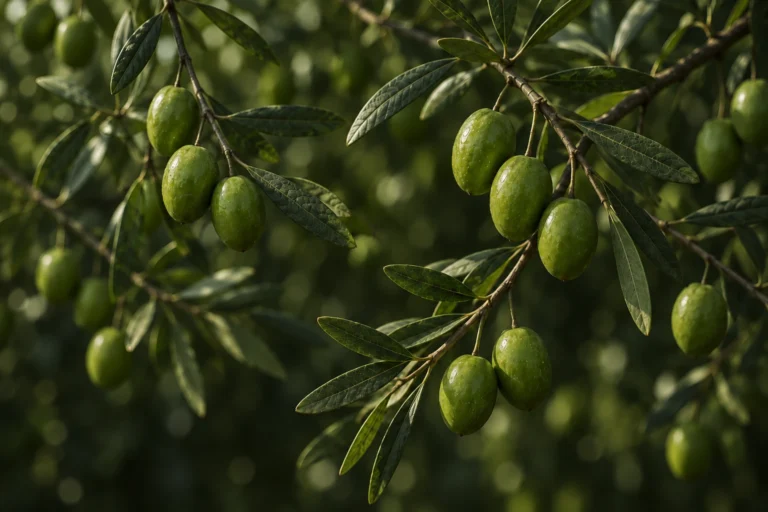
- The largest olive grove in the world. More than 60 million olive trees form a unique landscape that changes colour with the seasons.
- Mills of every size. From century-old cooperatives to family mills making internationally award-winning oils.
- Four designations of origin. Sierra de Segura, Sierra de Cazorla, Sierra Mágina and Jaén Sierra Sur, each with its own landscape and style of oil.
- Monumental heritage. Úbeda and Baeza, Jaén cathedral and dozens of castles dotted around the province.
- Nature. The Sierras de Cazorla, Segura y Las Villas Natural Park, Sierra Mágina, Despeñaperros and Sierra de Andújar.
- Food built around olive oil. Traditional dishes and restaurants that work with local oils.
What is more, olive oil tourism in Jaén can be enjoyed all year round, although each season offers something different. If you would like to learn more about the province’s oil before you travel, read our guide to Jaén olive oil.
Visiting a mill
A visit to a mill is the heart of any olive oil tourism experience. There you will see how olives become oil: the reception and cleaning of the fruit, milling, malaxing, centrifuging and storage in the cellar.
During the harvest season, between October and February, you can see the mill in full swing, with the intense smell of freshly milled olives. Out of season, the visit is quieter and usually focuses on the cellar and the tasting. Both options are worthwhile: one shows you the energy of the harvest, the other gives you more time to talk to the people who make the oil.
Most visits include a guided tasting of extra virgin olive oils, where you will learn to recognise fruitiness, bitterness and pungency. Some mills also offer walks through their groves, a traditional mill breakfast with bread and freshly made oil, or cookery workshops.
It is best to book in advance, especially in high season and for groups. Many of the province’s mills belong to olive oil tourism programmes promoted by the Provincial Council of Jaén, which make it easier to find visits and accommodation.

Olive oil museums in Jaén
To understand the history and science of olive oil, the province has museums devoted to the olive tree:
- Museum of Olive Culture. At Hacienda La Laguna, in Puente del Obispo (Baeza), an old olive-growing estate that tells the story of olive farming and oil making, with traditional mills and presses.
- Terra Oleum, the Active Museum of Olive Oil and Sustainability. At the Geolit science and technology park, in Mengíbar, with an interactive look at olive oil, how it is produced and its relationship with the environment.
- Local interpretation centres. Many olive-growing towns have small museums or interpretation centres with tools, photographs and memories of life around the olive grove.
Combining a museum with a visit to a modern mill is the best way to see how much oil making has changed over the last century.
In the museums you will see the old stone mills turned by animals, the beam presses and the esparto mats in which the olive paste was pressed. In a modern mill, by contrast, the whole process runs continuously, in stainless steel and with temperature control. That evolution explains much of the enormous leap in quality that extra virgin olive oil has made in recent decades, and it is one of the most interesting things you will learn on your olive oil tourism trip.
The Olive Oil Greenway
The Olive Oil Greenway (Vía Verde del Aceite) is one of the most beautiful routes for olive oil tourism in Jaén. It follows the line of the old railway that linked Jaén with Puente Genil, in Córdoba, popularly known as the “olive oil train” because it carried the production of the local mills.
After the line closed, the tracks were turned into a path for walkers and cyclists. The full route is more than 120 kilometres long between the two provinces, with a Jaén section that starts in the capital and runs through towns such as Torredonjimeno, Martos and Alcaudete.
The route winds through endless olive groves, with a comfortable surface and the gentle gradients you would expect from an old railway line. Along the way you will find iron viaducts, restored old stations, rest areas and spectacular views over the sea of olive trees, with the Peña de Martos rock as a backdrop.
You can do it in sections, on foot or by bike, to suit your fitness. Even a short stretch of a few kilometres is enough to feel the scale of the olive groves and understand why this route has become a symbol of olive oil tourism in Jaén. You will find information about the route and its facilities on the Vías Verdes website, the programme of the Spanish Railways Foundation.

Tips for the Olive Oil Greenway
- Avoid the middle of the day in summer: the heat among the olive groves can be intense and there is little shade.
- Take plenty of water and sun protection.
- Spring and autumn are the best seasons to ride or walk it.
- If you are cycling, check the bike hire points in Jaén and in the towns along the route.
- Take the chance to stop at a mill in Martos or Torredonjimeno and buy local oil.
Úbeda and Baeza, World Heritage Sites
No olive oil tourism route in Jaén is complete without Úbeda and Baeza. These two towns, barely ten kilometres apart and surrounded by olive groves, were declared World Heritage Sites by UNESCO in 2003 for their Renaissance monuments.
In Úbeda, highlights include the Plaza Vázquez de Molina, with the Sacra Capilla del Salvador and the Palacio de las Cadenas. In Baeza, the cathedral, the Palacio de Jabalquinto and the Plaza del Pópulo. Many of these buildings are the work of the architect Andrés de Vandelvira, who also designed Jaén cathedral.
The two towns are a perfect base for visiting mills in the La Loma area, where the olive groves stretch to the horizon, and the Museum of Olive Culture at Hacienda La Laguna.
Cazorla, Segura and Las Villas: mountain olive groves
The Sierras de Cazorla, Segura y Las Villas Natural Park is Spain’s largest protected natural area. Pine forests, crystal-clear rivers, such as the source of the Guadalquivir, and wildlife rich in deer, Spanish ibex and vultures make it a must-see destination.
On its slopes grow mountain olive groves that give some of the most aromatic oils in the province, protected by the Sierra de Cazorla and Sierra de Segura designations of origin. Royal, a sweet and very fruity variety native to Cazorla, is also grown here.
The villages of Cazorla, La Iruela and Segura de la Sierra, with their castles perched on the rock, combine nature, heritage and olive oil perfectly. The mountain mills offer visits and tastings with superb views. Tasting a fresh mountain oil while looking out over the groves it came from is one of the most memorable experiences olive oil tourism can offer.

A three-day olive oil tourism route in Jaén
If you have a long weekend, this route will let you see the essentials:
Day 1: Jaén and the Olive Oil Greenway
Start in the capital: the cathedral, the Arab baths and Santa Catalina castle, with views over the sea of olive trees. In the afternoon, cycle a section of the Olive Oil Greenway towards Torredonjimeno or Martos and finish with a tasting at a mill.
Day 2: Úbeda, Baeza and olive culture
Spend the morning strolling around Baeza and visit the Museum of Olive Culture. In the afternoon, lose yourself in the Renaissance squares of Úbeda and have dinner at a restaurant that works with local oils.
Day 3: Cazorla and the mountain olive groves
Head up to Cazorla, visit a mountain mill and, if you have time, take a short walk in the Natural Park, for example to the source of the Guadalquivir or along the Cerezuelo river.
If you have more days, add Sierra Mágina, the Sierra Sur or the Sierra de Andújar Natural Park. There is enough olive oil tourism in Jaén for weeks, and every return visit reveals new villages, mills and landscapes.
When to go: the calendar for olive oil tourism in Jaén
| Season | What you will see | Ideal for |
|---|---|---|
| October to February | Harvest season, mills at work, freshly made oil | Seeing oil being made and tasting the new harvest |
| March to May | Green groves, fields in bloom, olive blossom in May | Walking and cycling routes |
| June to September | Intense heat in the lowlands, cooler air in the mountains | Cazorla and Segura, early-morning visits |
If you want to taste freshly made oil, the best time is November or December, when the new harvest oils arrive. Those dates also bring festivals such as the Jaén First Oil festival, organised by the Provincial Council, and the Martos olive festival.

Olive oil gastronomy
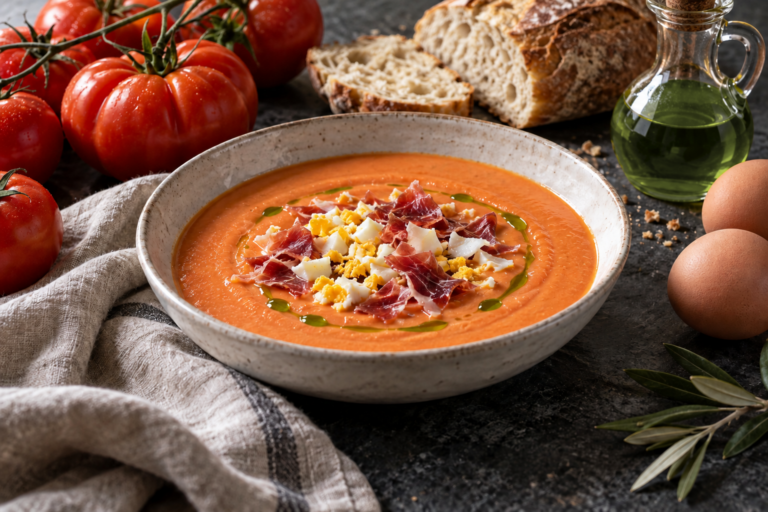
Olive oil tourism is also enjoyed at the table. In Jaén, olive oil is the basis of traditional cooking:
- Mill breakfast: toast with freshly made oil, sometimes with tomato, salt cod or a pinch of sugar.
- Pipirrana: a cold salad of tomato, pepper, egg and tuna with plenty of oil.
- Ochíos: olive oil bread rolls with paprika, typical of Úbeda and Baeza.
- Andrajos: a stew of flour pasta sheets, perfect for cold days.
- Game: venison, wild boar and partridge in the mountains, stewed with local oil.
Many restaurants in the province offer olive oil menus so you can choose which oil goes with each dish. And if you want to recreate the experience at home, you will find ideas in our recipes with olive oil.
Olive oil festivals
Olive oil tourism in Jaén also has its festival calendar. At the end of the harvest, many villages traditionally celebrated the remate, a meal with which the olive pickers said goodbye to the season. Today several celebrations keep that culture alive:
- Jaén First Oil Festival. Organised by the Provincial Council at the start of the season, it presents the first oils of the year with tastings, samplings and activities.
- Martos Olive Festival. Held in December in one of the province’s great olive-growing towns, with olive oil tastings and local food.
- Expoliva. The international olive oil fair, held in Jaén every two years, brings together producers, researchers and professionals from all over the world.
Check the dates of each edition before you travel, as they can vary from year to year. Timing your trip around one of them is a lovely way to see local life at its liveliest.
Olive oil tourism with children
Olive oil tourism is a wonderful activity for families. Children love seeing how olives become oil, touching the old machines in the museums and, above all, tasting bread with freshly made oil.
Some mills offer workshops for children, such as hand-picking olives, making olive oil soap or painting bottles. The Olive Oil Greenway, flat and car-free, is perfect for cycling a short section with little ones. And the Cazorla Natural Park, with its easy riverside walks, rounds off an unforgettable break.
Where to stay: country estates and rural houses
Part of the charm of olive oil tourism in Jaén lies in where you stay. Many olive-growing estates (cortijos) have been restored as rural hotels or holiday cottages, surrounded by olive trees and with views over the countryside. Some mills even have their own accommodation, so you can wake up on the estate and have breakfast with its oil.
If you prefer a town, Úbeda and Baeza have hotels in Renaissance palaces, and Cazorla is the best base for combining mountains and olive groves. Book ahead for bank holidays and around the dates of the olive oil festivals, when the most popular places fill up quickly.
Practical tips for your trip
- Travel by car. Mills and olive groves are spread across the province and public transport is limited.
- Book your visits. Many mills only welcome visitors by appointment.
- Wear comfortable shoes. Walks through the groves are on dirt tracks.
- Ask about the tasting. It is the most instructive part of the visit and will help you choose which oils to buy.
- Buy at the source and send it home. If you do not want to carry bottles, ask for them to be shipped.
To plan your trip, the Provincial Council’s official tourism website, Jaén Paraíso Interior, brings together information on accommodation, routes and olive oil tourism experiences.
Can’t travel?
Bring Jaén to your table. In our shop you will find oils from mills across the province, from the Sierra de Cazorla to the lowlands, with fast dispatch within 24/48 h from Spain, delivered by UPS to the UK and across Europe.
The oils of the sea of olive trees, at your home. Picual, Royal and early harvest oils from Jaén mills.
Frequently asked questions about olive oil tourism in Jaén
What is the best time of year for olive oil tourism in Jaén?
Between October and February, if you want to see the mills at work and taste freshly made oil. Spring is ideal for routes through the olive groves.
Can you visit olive mills in Jaén?
Yes. Many mills offer guided visits with a tasting, usually by appointment.
How long is the Olive Oil Greenway?
The full route, between Jaén and Puente Genil, is more than 120 kilometres long. You can do it in sections, on foot or by bike.
Which towns should you visit on an olive oil route through Jaén?
Jaén itself, Úbeda, Baeza, Cazorla and Martos are essential. All of them are surrounded by olive groves and mills.
Do you need a car for olive oil tourism in Jaén?
It is highly recommended, because the mills and olive groves are spread across the whole province.
Olive oil tourism in Jaén is an invitation to travel slowly, to meet the people who look after the olive groves and to discover olive oil with all your senses. It is a trip that will undoubtedly change the way you look at a bottle of olive oil. Once you have walked through the groves, seen the mill at work and tasted oil straight from the decanter, every drizzle on your toast at home will remind you of the sea of olive trees.