What are the uses of olive oil? The short answer is: almost everything in the kitchen, and quite a lot outside it. Extra virgin olive oil is the foundation of the Mediterranean diet, the ingredient that brings a simple piece of bread to life and a stable fat you can use to dress, stew, fry and even bake. In this guide we look at the uses of olive oil in the kitchen, what science says about its benefits, its traditional uses in personal care and around the home, and which oil to choose for each one.
Contents
What extra virgin olive oil is
To understand the uses of olive oil, it helps to know what it is. Extra virgin olive oil is olive juice, extracted by mechanical means only, without excessive heat or solvents, and unrefined. It is the highest-quality category: it has no defects when tasted and keeps the aromas of the fruit.
Its composition explains many of its qualities, and why the uses of olive oil are so varied:
- Unsaturated fats. Most of its fat is oleic acid, a very stable monounsaturated fatty acid.
- Polyphenols. Natural antioxidant compounds that bring bitterness and pungency, and protect the oil itself from oxidation.
- Vitamin E, carotenoids and chlorophyll. Partly responsible for its colour and its stability.
- Aromatic compounds. These give the oil its fruitiness: grass, tomato plant, apple, almond.
Refined oils, such as plain “olive oil” or olive-pomace oil, lose much of their polyphenols and aromas during refining. So when we talk about the uses and benefits of olive oil, we mainly mean extra virgin. All the olive oil uses in this guide assume a good extra virgin, unless we say otherwise.
Uses of olive oil raw
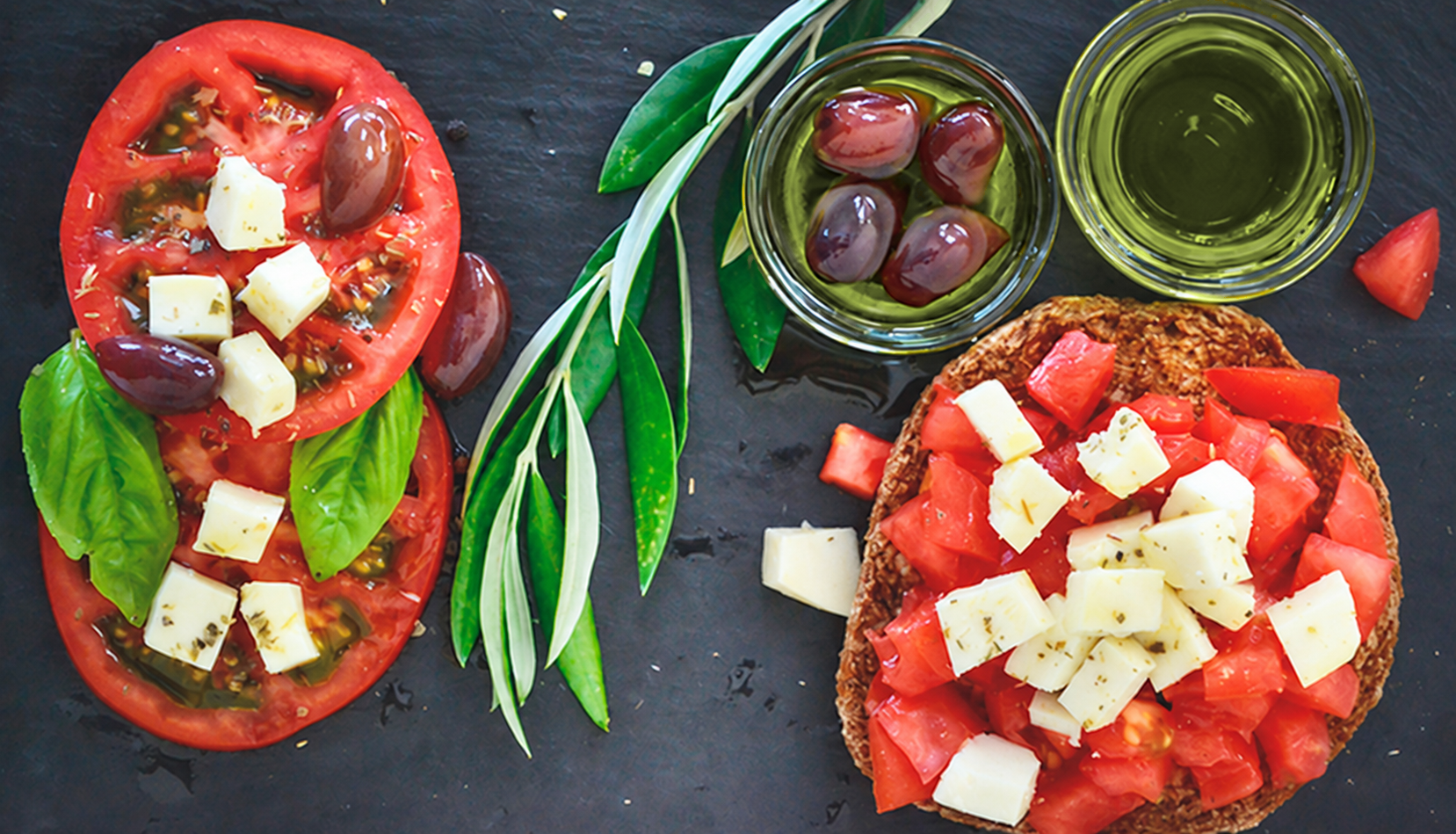
Raw is where extra virgin olive oil shows its full character, and these are the uses of olive oil that let you appreciate every aroma. A few ideas:
- Toast. The most Mediterranean breakfast: toasted bread, a good drizzle of oil and, if you like, grated tomato or a pinch of salt.
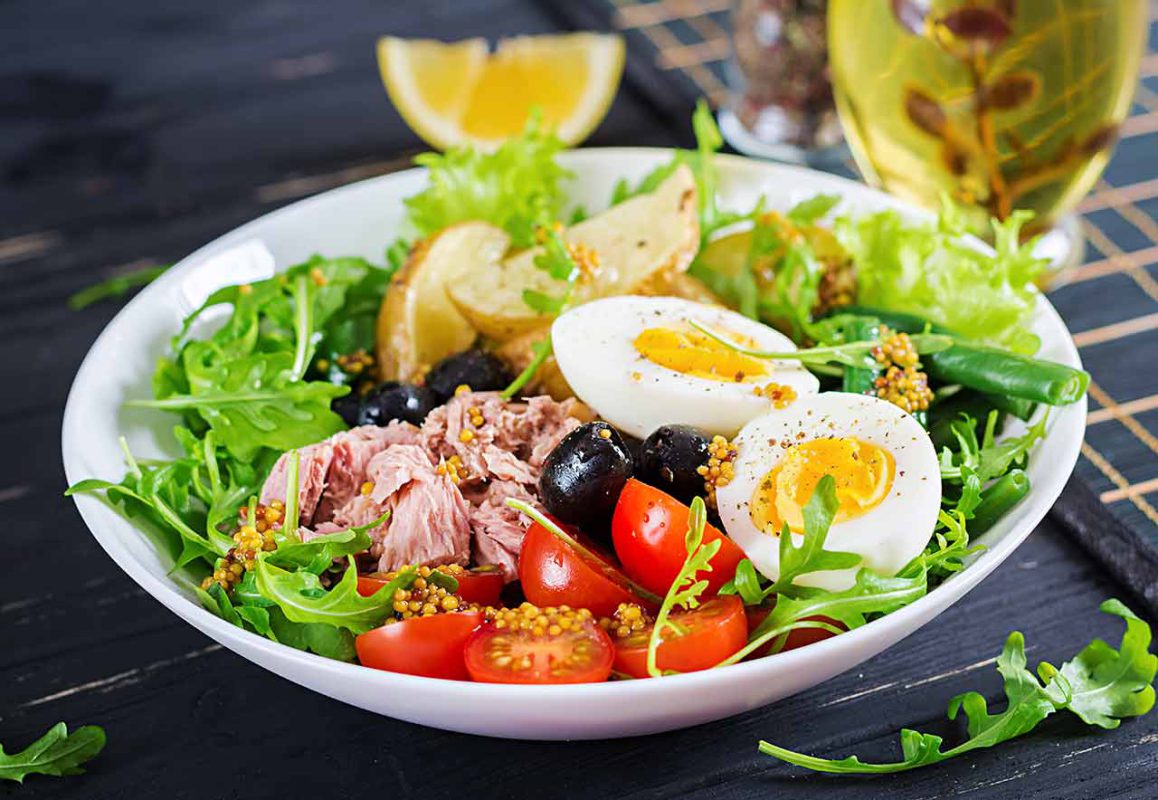
- Salads. A green, fruity oil brings out the flavour of leaves, tomatoes or citrus.
- Vegetables and pulses. A few drops of raw oil over a plate of chickpeas, steamed vegetables or a soup transform the dish.
- Fish and meat. A drizzle of oil over griddled fish or a carpaccio adds juiciness and aroma.
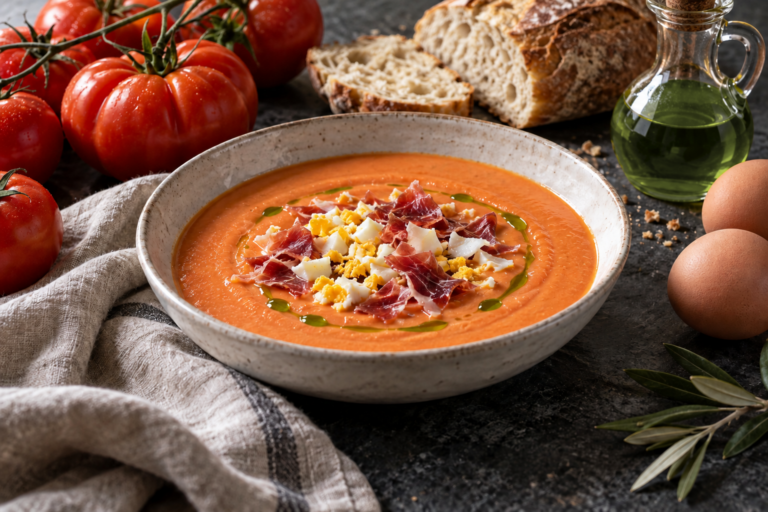
- Gazpacho and salmorejo. The oil emulsifies with the tomato and adds creaminess and flavour. Salmorejo is a thick, chilled tomato and bread soup from Córdoba.
- Cheese and fruit. A mild oil over fresh cheese, strawberries or an orange is a surprising combination.
For raw uses, choose the oil to suit the dish: intense, such as a Picual, for bold dishes; mild, such as an Arbequina, for fish and delicate salads. We explain this in our guide to olive oil varieties. Matching the oil to the dish is the simplest way to get more out of the raw uses of olive oil.
Olive oil uses for cooking, stewing and roasting
Another of the great uses of olive oil is everyday cooking. It is the traditional fat for the sofritos (slowly fried bases of onion, garlic and tomato), stews, roasts and casseroles of the whole Mediterranean.
- Sofritos. A good base of onion, garlic and tomato cooked in olive oil is the starting point for rice dishes, stews and sauces.
- Roasts. Brush meat, fish and vegetables with oil before roasting so they stay juicy and golden.
- Griddling and stir-frying. A few drops of oil stop food from sticking and add flavour.
- Confit. Cooking at low temperature immersed in oil, as with salt cod or garlic confit, gives very tender textures.
For everyday cooking you do not need the most expensive oil, but you do need a good one. Large formats, such as tins or large bottles of extra virgin, work out cheaper and protect the oil well from light. For the everyday olive oil uses in this section, a good-value extra virgin in a tin is often the smartest buy.
For frying: yes, with extra virgin
There is an idea that extra virgin olive oil is not suitable for frying. It is a myth, and a very persistent one. Thanks to its oleic acid and natural antioxidants, extra virgin is one of the most heat-stable fats and copes very well with the temperatures of home frying.
What is more, olive oil forms a golden crust around the food that limits how much fat it absorbs, and it adds a flavour no seed oil can match. Frying is one of the most practical olive oil uses at home, and these are the keys to frying well:
- Use a frying pan or fryer with enough oil to cover the food.
- Heat the oil without letting it smoke.
- Do not overfill the pan, so that the temperature does not drop.
- Drain fried food on kitchen paper.
- Strain the oil when you finish if you are going to reuse it, and throw it away when it darkens or smells bad.
The most stable varieties, such as Picual, are ideal for frying. If you want more details on how many times to reuse it, see our guide on how to store olive oil and its shelf life.
In baking and bread making
Baking is one of the least known uses of olive oil, yet extra virgin olive oil is an excellent baking ingredient. Sponge cakes, muffins, biscuits, doughnuts and breads turn out moister and stay soft for longer.
- To replace butter, use roughly three quarters of its weight in oil.
- Choose mild, sweet oils, such as Arbequina or Picudo, so they do not dominate the flavour.
- In breads and savoury doughs, such as focaccia or the ochíos of Jaén (olive oil rolls topped with paprika), you can use more intense oils.
There are even sweet products made with olive oil, such as jams and chocolates. In our shop you will find, for example, chocolates made with extra virgin olive oil.
Sauces, emulsions and preserves
Sauces are among the most traditional uses of olive oil, and it is essential in the great sauces of Mediterranean cooking:
- Mayonnaise and aioli. For a mild mayonnaise, use a delicate oil or combine extra virgin with some lighter oil.
- Vinaigrettes. The classic ratio is three parts oil to one part vinegar or citrus juice.
- Pesto, romesco and green sauces. The oil binds the ingredients and adds gloss.
- Preserves. Roast vegetables, cheese or fish can be preserved in oil, which protects them from the air.
- Flavoured oils. With garlic, chilli, herbs or citrus, to give dishes a special touch.
If you make flavoured oils at home with fresh ingredients, keep them in the fridge and use them within a few days for food safety reasons. Commercial flavoured oils, such as the flavoured oils in our shop, are made with processes that ensure they keep. They are an easy way to explore new olive oil uses without any extra work.

Olive oil benefits: what is proven
A lot is said about the benefits of olive oil, and not all of it is equally well supported. In the European Union, health claims for foods can only be made if the European Food Safety Authority has assessed them and they have been authorised in Regulation (EU) 432/2012. For olive oil, the main ones are these:
Olive oil polyphenols contribute to the protection of blood lipids from oxidative stress.
This claim may only be used for oils that contain at least 5 mg of hydroxytyrosol and its derivatives per 20 g of olive oil, and the beneficial effect is obtained with a daily intake of 20 g. Early harvest extra virgin olive oils and varieties such as Picual tend to be the richest in these compounds, although each oil needs to be analysed.
Replacing saturated fats with unsaturated fats in the diet contributes to the maintenance of normal blood cholesterol levels. Oleic acid is an unsaturated fat.
Olive oil is rich in unsaturated fats, especially oleic acid. Using it instead of butter, lard or other fats rich in saturated fatty acids is part of a balanced diet.
Beyond these claims, extra virgin olive oil is the cornerstone of the Mediterranean diet, an eating pattern based on vegetables, fruit, pulses, wholegrains, fish and nuts, which UNESCO recognises as Intangible Cultural Heritage of Humanity. Olive oil is best enjoyed as part of that whole: a varied diet and a healthy lifestyle.
Important
Olive oil is a food, not a medicine. If you have a medical condition or follow a special diet, consult a health professional.
How much olive oil to have each day
There is no single amount for everyone, because it depends on each person’s diet, physical activity and needs. As a reference, the polyphenol claim is based on an intake of 20 g of oil a day, about two tablespoons.
Bear in mind that olive oil, like all fats, provides about 9 kilocalories per gram. Ideally it should be the main fat in your kitchen, replacing others, rather than an extra on top of a diet that is already rich in fat. Spreading it across the different uses of olive oil, raw and cooked, makes that easy.
Uses of olive oil in personal care
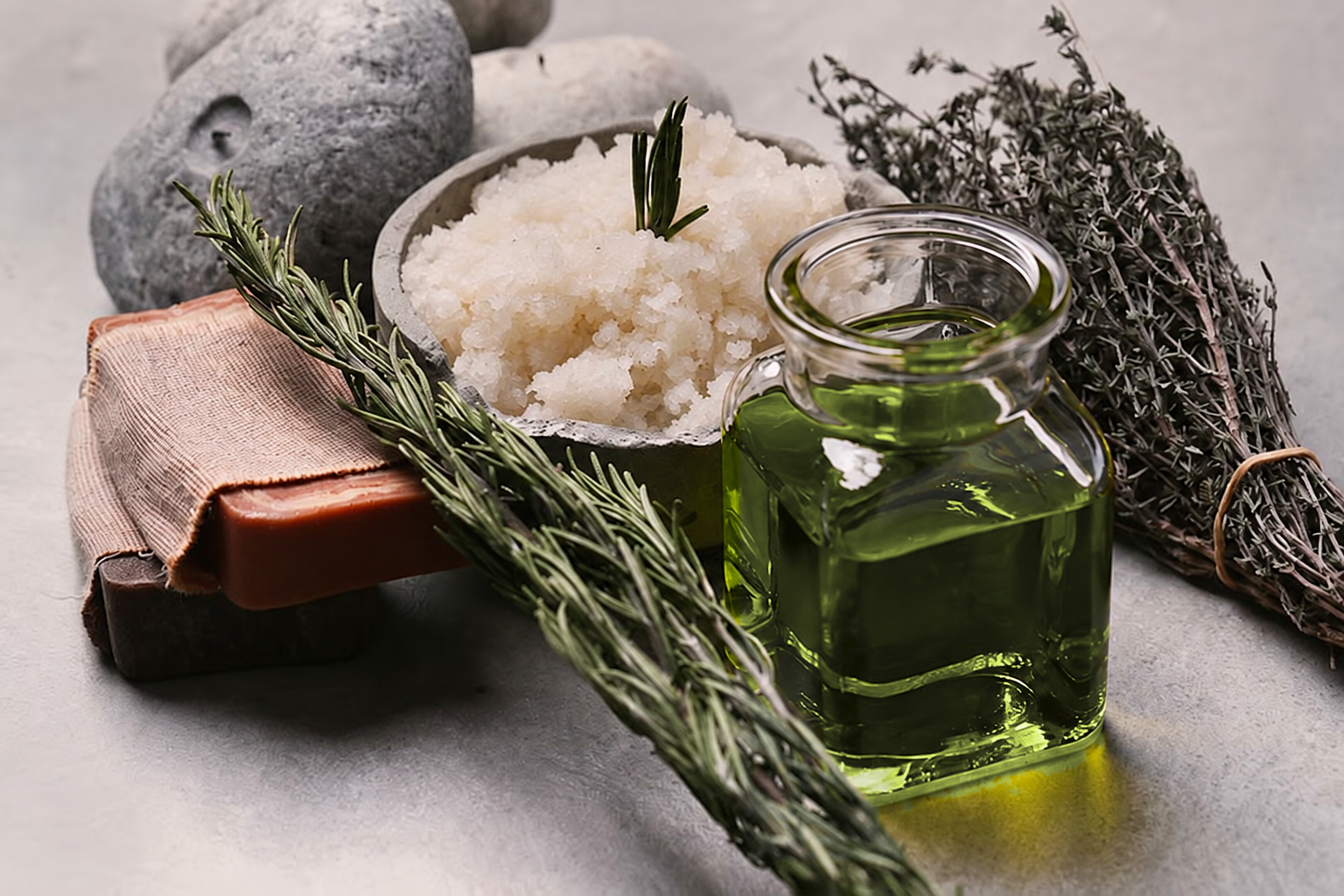
Since ancient times, olive oil has also been used outside the kitchen. The Greeks and Romans used it to care for skin and hair, and many of those customs are still alive today. These are some traditional olive oil uses for personal care:
- Dry skin. A few drops on elbows, heels or hands help soften the roughest areas.
- Lips. A little oil on dry lips, especially in winter.
- Make-up remover. Applied with a cotton pad, it helps remove make-up, even eye make-up. Afterwards, wash your face with your usual cleanser.
- Hair ends. A few drops on dry ends before washing.
- Beard. Many people use it to soften their beard and give it shine, applying a small amount with their fingers.
- Cuticles and nails. A massage with oil softens the cuticles.
Before applying it to your face or a large area, try it on a small patch of skin. If you have oily or acne-prone skin, or any skin condition, consult a dermatologist. For these uses, a fresh extra virgin olive oil is best. These are simple, traditional uses of olive oil, not treatments, so keep expectations realistic.

Uses of olive oil around the home
Olive oil also has household uses. Here are some of the best-known uses of olive oil around the home:
- Caring for wood. Mixed with a few drops of lemon juice or vinegar, it cleans and shines chopping boards and wooden utensils.
- Removing sticky residue. It helps lift the remains of stickers and labels from glass jars.
- Nourishing leather. A small amount on a soft cloth cleans and shines smooth leather bags and shoes. Test it first on a hidden spot.
- Protecting steel. A few drops on stainless steel utensils bring back their shine.
You do not need a premium oil for these uses: you can use up an oil that has lost some of its aroma, as long as it is not rancid.
A tip to avoid waste
If you have an extra virgin olive oil in your cupboard that is no longer at its best for eating raw, but does not smell rancid, give it a second life in the kitchen: long stews, frying or bread doughs. And if it is already rancid, do not use it even around the home: take it to a recycling point. That way you make the most of the uses of olive oil without throwing away anything that is still useful.
A little history: olive oil, much more than a food
For thousands of years, the question of what olive oil was used for had very different answers from today. In ancient times it was not only used for cooking: it fuelled the lamps that lit homes and temples, it was used in religious rituals, in making perfumes and ointments and in caring for athletes, who rubbed their bodies with oil.
Oil was so valuable that it was traded across the Mediterranean in amphorae, and Roman Hispania was one of its great producers. Over time, electricity and other products replaced many of those ancient uses of olive oil, and olive oil remained above all in the kitchen, where it is still irreplaceable.
Which oil to choose for each use
| Use | Recommended oil | Why |
|---|---|---|
| Toast and raw dishes | Early harvest extra virgin or Picual | Maximum aroma and character |
| Salads and fish | Arbequina, Hojiblanca or a mild blend | Delicate fruitiness |
| Everyday cooking and stews | Extra virgin in a tin or large bottle | Quality and a good price per litre |
| Frying | Picual or another stable extra virgin | Stands up better to heat |
| Baking | Arbequina or Picudo | Sweet, mild flavour |
| Personal care | Fresh extra virgin | Keeps its natural compounds |
In our shop you can compare oils by variety, size and price per litre. If in doubt, start with a variety pack and discover which oil suits each use. It is the quickest way to try several olive oil uses side by side and find your favourites.
Myths about olive oil
“Olive oil is more fattening than other oils”
False. All oils provide practically the same calories, about 9 per gram. The difference lies in their composition and in their valuable compounds, which is why the uses of olive oil go far beyond simply adding fat to a dish.
“Extra virgin is no good for frying”
False. It is one of the most heat-stable fats thanks to its oleic acid and natural antioxidants.
“The greener, the better”
Not necessarily. Colour depends on the variety and the timing of the harvest, not on quality. We explain this in our guide to acidity and olive oil quality.
“Olive oil improves with age”
Unlike wine, olive oil loses aroma over time. It is at its best in the months after it is made, so buy what you need for your usual olive oil uses and enjoy it fresh.
An oil for every use. Extra virgin olive oils for raw dishes, cooking and baking, in bottles, tins and variety packs, with fast dispatch within 24/48 h from Spain.
Frequently asked questions about the uses of olive oil
What is extra virgin olive oil used for?
For dressing, cooking, stewing, roasting, frying and baking. The uses of olive oil also include traditional skin and hair care and jobs around the home.
What are the benefits of olive oil?
Olive oil polyphenols contribute to the protection of blood lipids from oxidative stress (with at least 5 mg of hydroxytyrosol and its derivatives per 20 g of oil, with a daily intake of 20 g), and replacing saturated fats with unsaturated fats such as oleic acid in the diet contributes to the maintenance of normal blood cholesterol levels.
Can you fry with extra virgin olive oil?
Yes. It is very heat-stable and gives excellent results in home frying.
Which oil is best for the skin?
A fresh extra virgin olive oil. Test it first on a small patch and consult a dermatologist if you have any skin condition.
How much olive oil is recommended each day?
It depends on each person. As a reference, the polyphenol claim is based on 20 g a day, about two tablespoons, as part of a varied diet.
Now you know the many uses of olive oil: bringing flavour to your cooking every day, and much more. From a simple slice of toast to a slow-cooked stew, a moist sponge cake or a wooden chopping board that needs some care, one good bottle covers a remarkable range of olive oil uses. Choose a good extra virgin and discover all its olive oil uses for yourself.