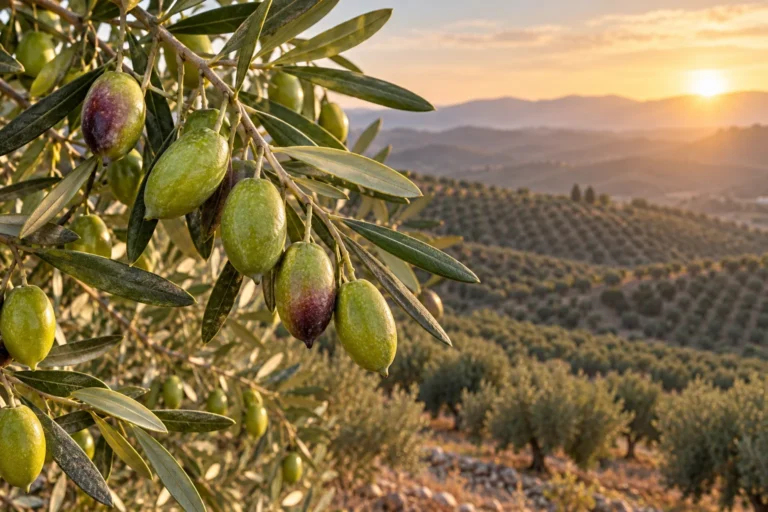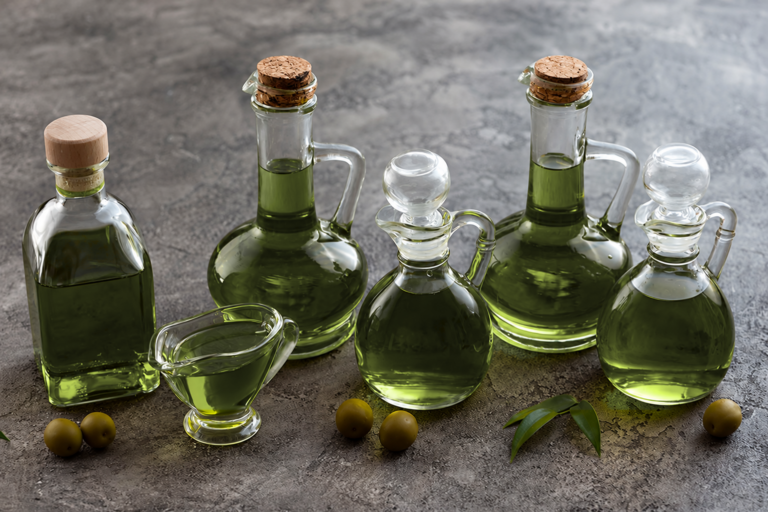
It is November and the mill still smells of freshly crushed leaves. A green, almost luminous thread runs from the decanter. It catches at the back of the throat and leaves a clean bitterness, like artichoke. That first oil of the season is pure olive juice, and what it holds explains why it has sat at the heart of the Mediterranean table for thousands of years. Here is what lies in every drop of extra virgin olive oil, and what it does for you.
Contents
In a nutshell
- Extra virgin is unrefined olive juice: its fat is mostly oleic acid, an unsaturated fat.
- Replacing saturated fats with unsaturated fats in the diet contributes to the maintenance of normal blood cholesterol levels.
- It is a natural source of vitamin E, which contributes to the protection of cells from oxidative stress.
- Its polyphenols, richer in early-harvest oils, contribute to the protection of blood lipids from oxidative stress.
What a drop of extra virgin holds
An olive is, at heart, a small store of fat, water and aroma. Crushed and malaxed cold, with no heat to harm it and no solvents to strip it, it gives an oil that keeps everything the fruit brought from the tree. That is the difference from a refined oil: extra virgin has lost nothing along the way.
Oleic acid
The leading role: a monounsaturated fat that makes up most of the oil. Its share varies with variety and climate, and Picual is among the richest.
Vitamin E
It comes naturally, as tocopherols, with nothing added. Extra virgin olive oil is a source of vitamin E.
Polyphenols
Small in quantity, decisive in character: they are the bitterness on the tongue and the pepperiness in the throat.
Volatile compounds
Fresh-cut grass, tomato leaf, green apple. Refining takes them away; only virgin oils keep them.
Its benefits
There is nothing mysterious about what extra virgin does for you: it comes from its composition, drop by drop. These are its benefits, each with what it needs to hold true.
An unsaturated fat for every day
Oleic acid is an unsaturated fat, and replacing saturated fats with unsaturated fats in the diet contributes to the maintenance of normal blood cholesterol levels. Swapping the butter on your toast or the fat in your stew for a good extra virgin is the tastiest way to do it.
Vitamin E, from the olive to your plate
Extra virgin olive oil is a source of vitamin E, and vitamin E contributes to the protection of cells from oxidative stress. It comes from the fruit itself, with nothing enriched or added.
Polyphenols, the signature of the early harvest
Olive oil polyphenols contribute to the protection of blood lipids from oxidative stress. For this, the oil must contain at least 5 mg of hydroxytyrosol and its derivatives per 20 g, and the beneficial effect is obtained with a daily intake of 20 g of that oil, about two tablespoons. Green, bitter and peppery oils are the ones that usually reach those figures.
Polyphenols: the mark of the green olive
When you taste a freshly made extra virgin and it catches your throat hard enough to make you cough, you are feeling its polyphenols. They are born in the olive, and how much reaches the bottle depends on three choices:
- The varietyPicual, Cornicabra or Koroneiki tend to be richer in polyphenols than sweeter varieties such as Arbequina.
- Harvest timeGreen olives from the early harvest hold more than ripe ones. They yield less oil, but a far more intense one.
- ProductionMilling within hours of picking, controlled temperature, and tanks protected from light and air.
Bitterness and pepperiness are not defects: they are the signature of the olive’s natural polyphenols.
How to preserve its qualities
Extra virgin does not improve with age like a wine. Its freshness is its treasure, and light, heat and air are its enemies. A little care is enough for the last spoonful to taste like the first.
Do
- Choose extra virgin from the latest harvest.
- Store it away from light and heat.
- Close it tightly after use.
- Use it within a few months of opening.
Avoid
- Clear bottles in the sun.
- Keeping it next to the hob or oven.
- Buying more than you will use in a few months.
- Reusing frying oil many times.
We explain it in detail in how to store olive oil. And to understand what sets extra virgin apart from plain olive oil, read our guide to the types of olive oil.
In everyday cooking
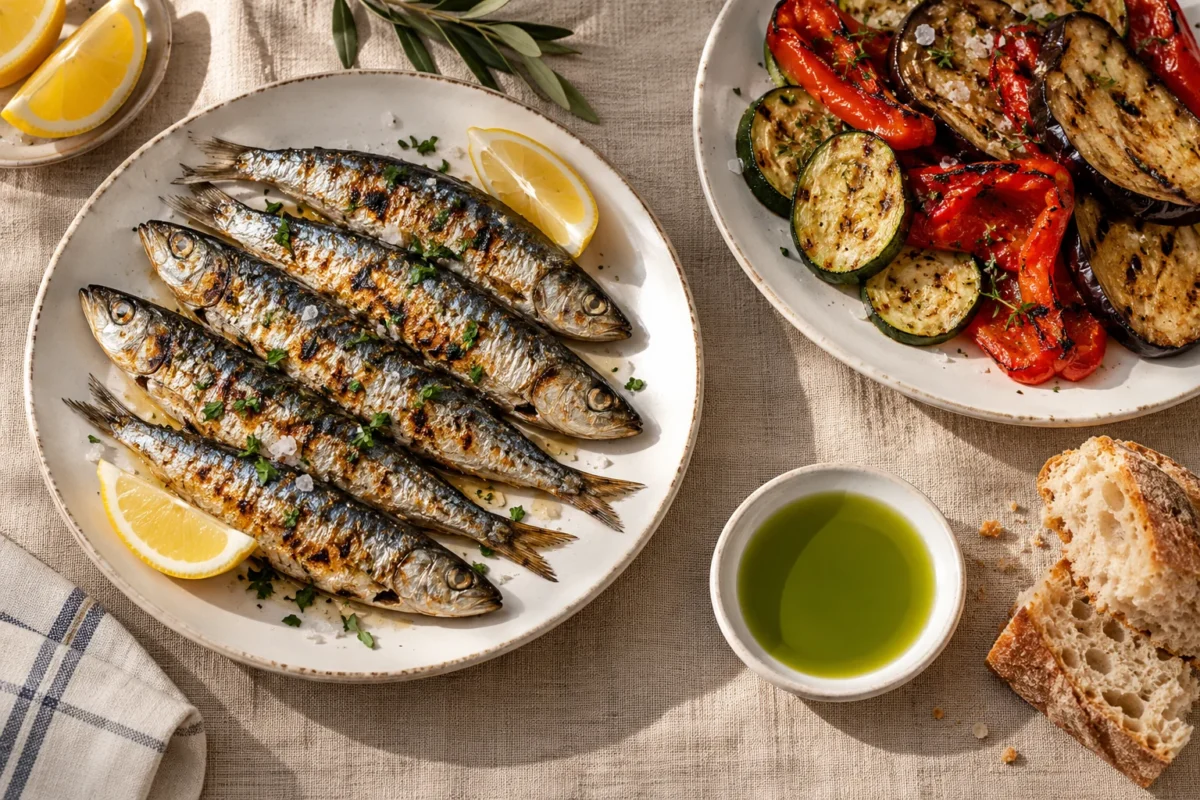
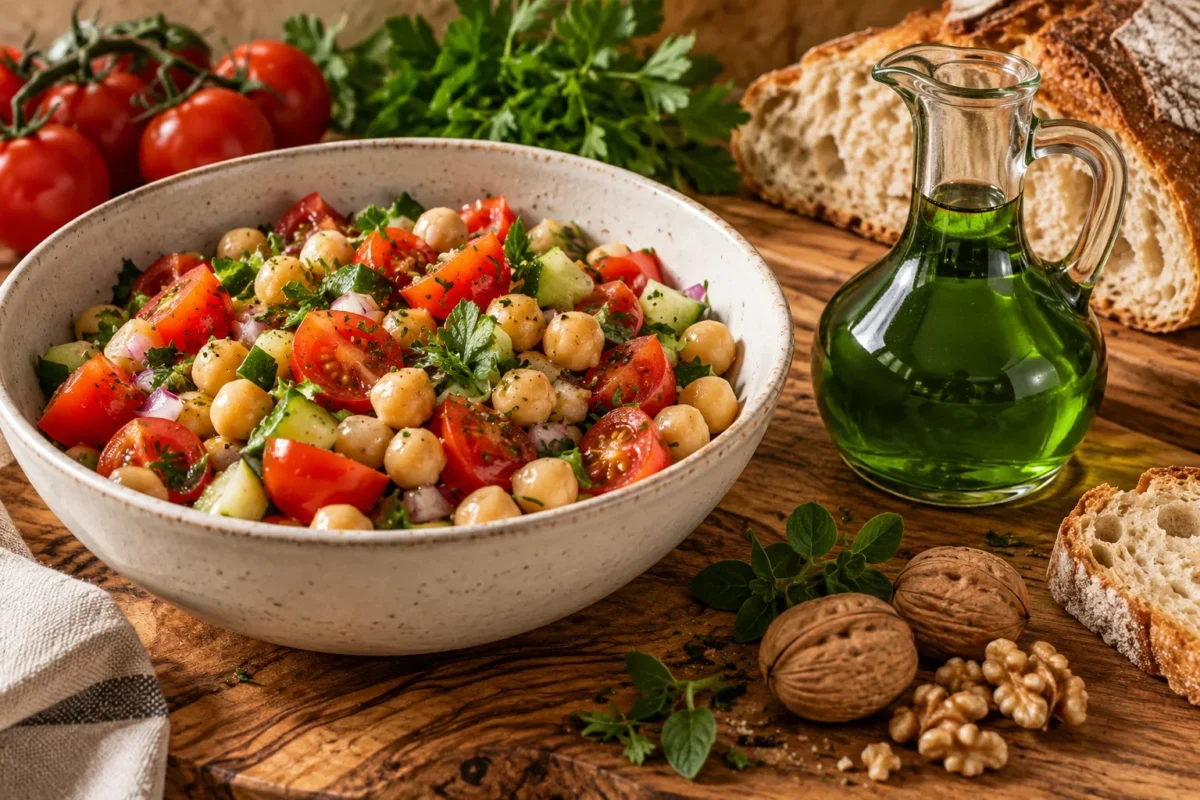
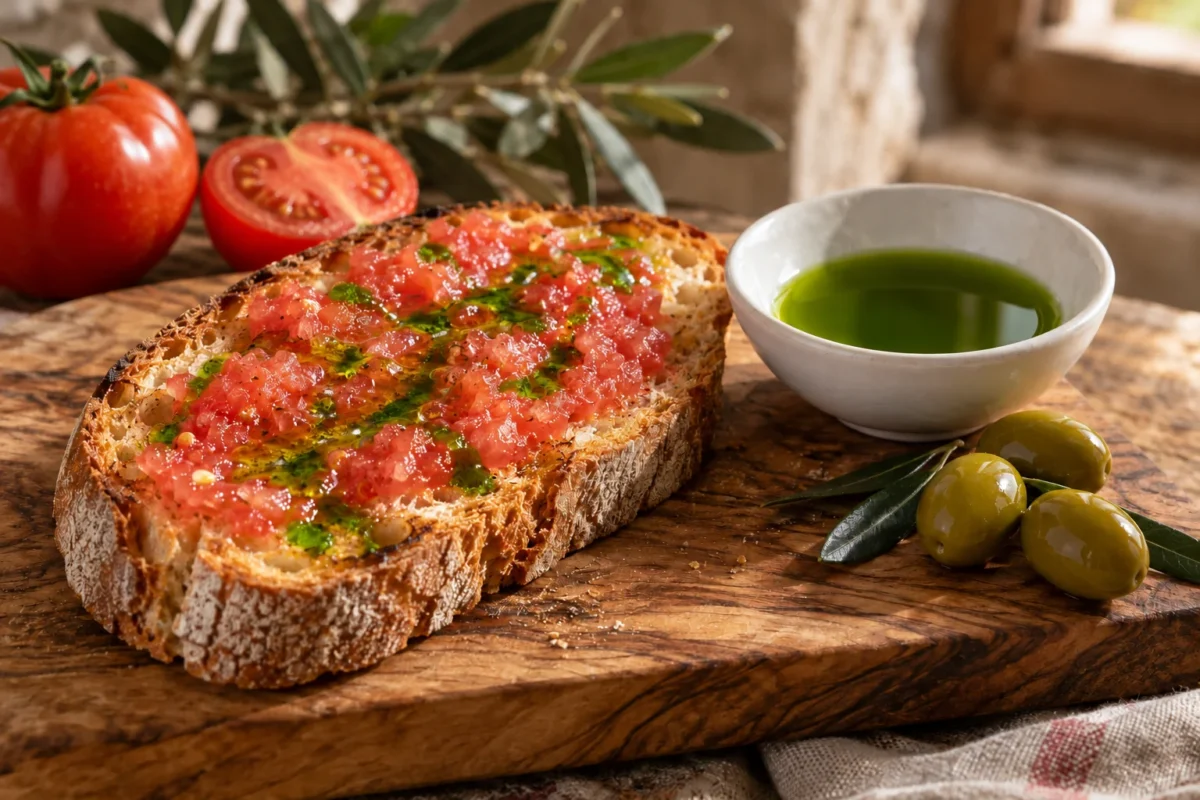
In Mediterranean cooking, extra virgin is not a garnish, it is the starting point. A raw drizzle over warm pulses, the slow sofrito that gives a stew its meaning, vegetables browning in the oven, an egg frilling in the pan. It is very stable at home cooking temperatures, so it works for everything. And the more it takes the place of other fats at your table, the more you enjoy what it holds.
Early-harvest oils
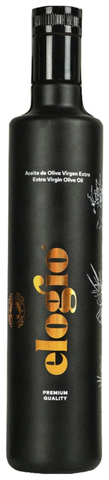 Elogio Premium Picual, 500 ml bottleEarly-harvest mountain Picual.22,90 €
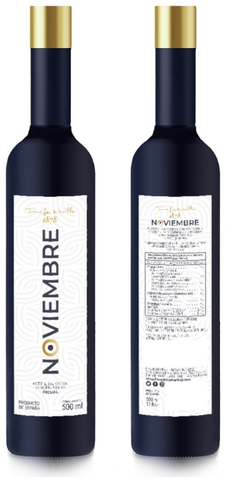 Noviembre Picual, 500 ml bottlePicual from Jaén, green and intense.16,90 €
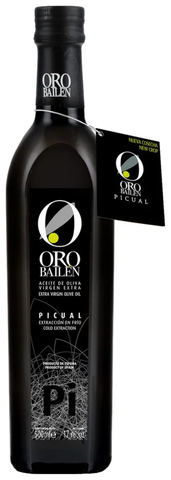 Oro de Bailén Picual, 500 ml bottleFresh Picual from a family mill.15,90 €
Extra virgin from the new harvest. Choose by variety, origin and price per litre.
FAQ
What does extra virgin olive oil contain?
Mostly oleic acid, a monounsaturated fat, plus vitamin E and minor compounds such as polyphenols and aromatic substances.
What are the benefits of extra virgin olive oil?
Replacing saturated fats with unsaturated fats, such as its oleic acid, contributes to the maintenance of normal blood cholesterol levels. It is a source of vitamin E, which contributes to the protection of cells from oxidative stress. And its polyphenols contribute to the protection of blood lipids from oxidative stress, in oils with at least 5 mg of hydroxytyrosol and derivatives per 20 g and with a daily intake of 20 g.
Do all oils have the same polyphenols?
No. They depend on the variety, the ripeness of the olive and the production. Early-harvest oils tend to have more, and you can taste it in their bitterness and pepperiness.
Does refined oil have the same properties?
No. Refining removes much of the polyphenols and aromatic compounds that extra virgin keeps.
Does it lose its properties when cooked?
Some of the more delicate compounds decrease with heat, but extra virgin is very stable and remains an excellent cooking fat. To make the most of it, use it raw too.