Talking about types of olive oil means talking about very different qualities that share a name on the shelf. An early-harvest extra virgin and a plain «olive oil» come from the same fruit, yet they have nothing in common: one is the juice of freshly milled olives, with all their aromas; the other is mostly refined oil. In this guide we set out the categories defined by law, show you how to tell them apart on the label and explain what each one is best for in the kitchen.
Contents
In a nutshell
- EU law recognises four olive oils fit for consumption: extra virgin, virgin, olive oil and olive-pomace oil.
- Only the virgin oils are obtained solely by mechanical means, without refining.
- Extra virgin is the only one that must be flawless in the tasting: fruity and with no defect at all.
The categories set by law
Delegated Regulation (EU) 2022/2104 defines the olive oil categories using two tests: laboratory analysis (acidity, peroxides, absorbance and other parameters) and tasting by an official panel, which checks whether the oil is fruity and whether it has any defects. The result decides the name the bottle may carry.
Extra virgin olive oil
Olive juice obtained by mechanical means only. Acidity up to 0.8%, fruitiness present and no defect in the tasting.
Virgin olive oil
Also unrefined, but with a slight defect in the tasting or acidity up to 2%.
Olive oil
A blend of refined olive oil with some virgin or extra virgin oil. Acidity up to 1%.
Olive-pomace oil
Oil extracted from the pomace (the paste left after the first extraction), refined and blended with virgin oil.
What about lampante oil?
It is virgin oil with clear defects or acidity above 2%. It cannot be sold for direct consumption: it must be refined first, and that refined oil is the base of plain «olive oil».
Extra virgin: the top category
Extra virgin olive oil (EVOO) is the only one that has to prove in the tasting that it has no defect whatsoever. That is why it keeps the aromas of fresh olives intact: freshly cut grass, tomato leaf, green apple, artichoke or almond, depending on the variety and the moment of harvest. On the palate come bitterness and pungency, two positive attributes that reveal a lively oil.
You don’t choose an extra virgin by its «degrees»: you choose it by how it smells and tastes, by its harvest and by the olive it comes from.
Within extra virgin there is a world of difference between an early-harvest oil, milled within hours of picking green olives, and a late-harvest one. We cover it in depth in our new harvest guide.
Virgin
Virgin olive oil is obtained just like extra virgin, without heat or solvents, but the tasting panel detects a slight defect or the laboratory measures a somewhat higher acidity. It usually comes from riper olives or from batches that do not reach the top category. It is rarely found in Spanish shops, where shoppers go straight for extra virgin.
Plain olive oil and pomace oil
A bottle that just says «olive oil» contains mostly refined oil, an industrial process that removes defects but also aroma, colour and much of the fruit’s natural compounds. A share of virgin or extra virgin is added to give it some flavour. The result is a neutral, uniform oil.
Olive-pomace oil is extracted from the pomace with solvents, then refined and blended with virgin oil. It is a different product, used mainly in professional frying, and it can never be sold as «olive oil».
Quick comparison
| Type | How it is made | Maximum acidity | Tasting |
|---|---|---|---|
| Extra virgin | Mechanical means only | 0.8% | Fruity, no defects |
| Virgin | Mechanical means only | 2% | Fruity, slight defects |
| Olive oil | Refined + virgin | 1% | Fruitiness not required |
| Olive-pomace oil | Refined pomace + virgin | 1% | Fruitiness not required |
Beyond the category: harvest, variety and origin
Once you have chosen extra virgin, the oil’s character depends on three decisions by the producer:
Early harvest
- Olives picked green, at the start of the season.
- Intense fruitiness, marked bitterness and pungency.
- Less oil per kilo of olives.
Late harvest
- Riper olives, picked at the end of the season.
- Milder oil with ripe notes.
- Higher yield, less aromatic intensity.
The variety sets the profile: Picual is intense and green; Arbequina, sweet and almondy; Hojiblanca, balanced. To meet them all, read our guide to olive oil varieties. The origin, sometimes protected by a Designation of Origin, guarantees the area and the production method.
Which type to use for what
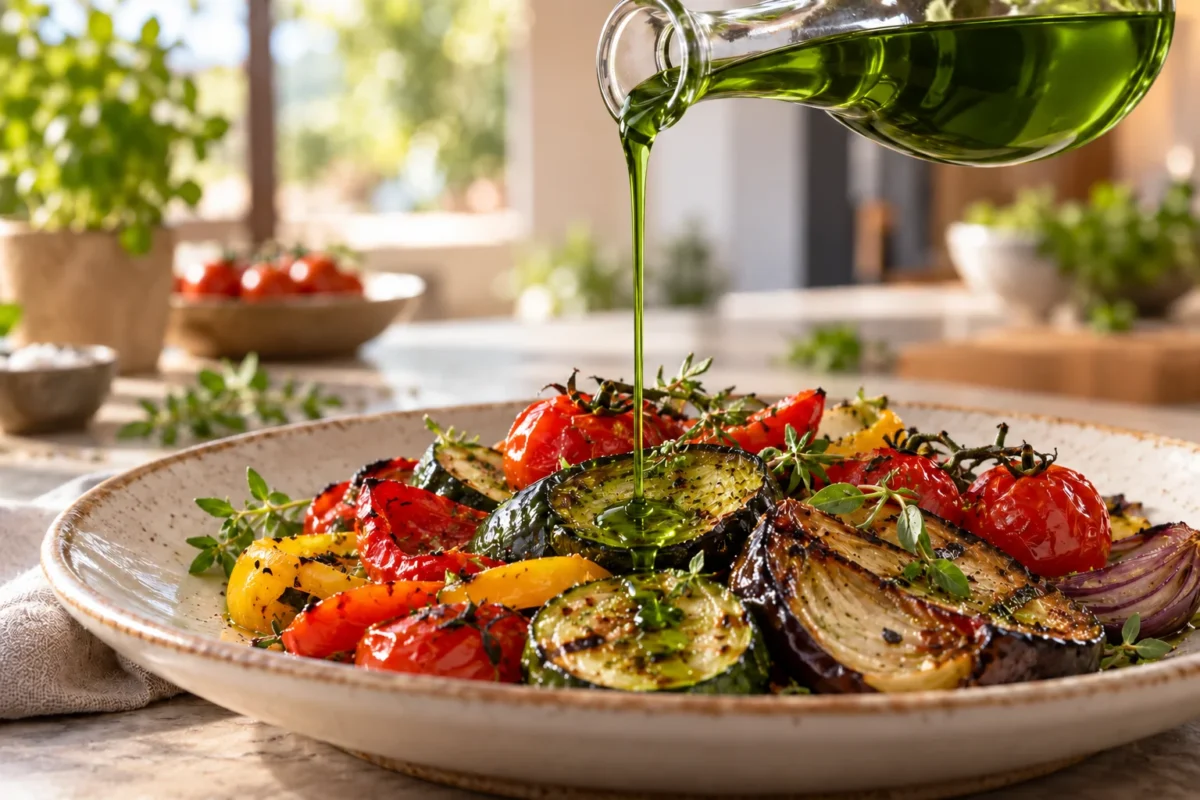
- RawSalads, toast, cold soups or grilled fish: this is where an early-harvest extra virgin shines, the more aromatic the better.
- Everyday cookingStews, sofrito and roasts love a balanced extra virgin; a blend or a Hojiblanca is a safe bet.
- FryingExtra virgin is very stable under heat and can be reused if filtered. For frying in quantity, a large tin or jug of extra virgin is the tastiest choice.
How to recognise each type on the label
The sales name is compulsory and always appears on the front label: «extra virgin olive oil», «virgin olive oil», «olive oil – composed of refined olive oils and virgin olive oils» or «olive-pomace oil». Be wary of claims such as «mild» or «intense» without a category and look at the harvest season and the best-before date: an extra virgin from the latest harvest will always be more aromatic.
Our extra virgin selection
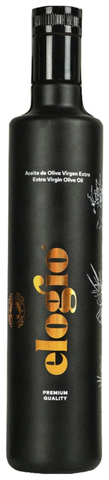 Elogio Premium Picual, 500 ml bottleMountain early harvest, intense and green.22,90 €
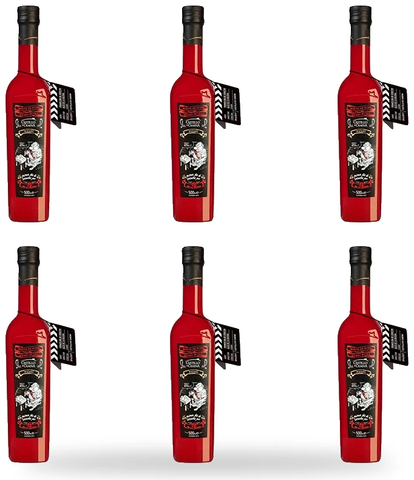 Castillo de Canena First Day Picual, case of 6 × 500 mlThe first day of harvest at a great Jaén estate.142,90 €
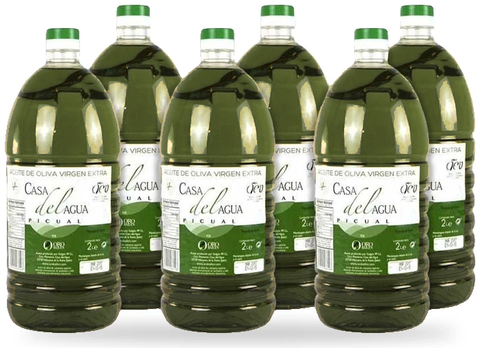 Casa del Agua de Oro Bailén Picual, case of 6 × 2 LPicual for everyday cooking, in 2 L bottles.104,90 €
Compare extra virgin by variety, origin and price per litre. Over 200 oils from Spanish mills, with harvest and size at a glance.
FAQ about the types of olive oil
What is the best type of olive oil?
Extra virgin olive oil is the top category: it is the only unrefined oil with no defect in the tasting, and it keeps all the aromas of the fruit.
What is the difference between virgin and extra virgin olive oil?
Both are obtained by mechanical means only. Extra virgin has acidity up to 0.8% and no defect in the tasting; virgin allows acidity up to 2% and a slight defect.
Is plain «olive oil» bad?
It is not bad, but it is a different product: it is made mostly of refined oil, without the aroma or character of extra virgin.
Can you fry with extra virgin olive oil?
Yes. It is very stable at home frying temperatures and adds flavour. If you filter it after use, you can reuse it a few times.
What kind of oil is pomace oil?
It is oil extracted from olive pomace, refined and blended with virgin oil. It has its own category and cannot be called olive oil.